
Marine-Grade Aluminum for Shipbuilding & Offshore Engineering
Marine and offshore structures operate under constant exposure to salt water, humidity, wind, impact, vibration and cyclic loading. Material selection therefore affects not only structural performance, but also fabrication efficiency, maintenance requirements and the total weight of the finished vessel or installation.
Shandong Union supplies aluminum plate, sheet, coil, checker plate, bar and custom-cut material for shipbuilders, boat manufacturers, offshore equipment fabricators and marine engineering contractors. Our supply approach starts with the application: hull plating, deck, superstructure, work platform, gangway, tank, enclosure or machined component. We then help match the alloy, temper, dimensions, surface condition and processing route to the project specification.
Common project requirements include 5083 and 5086 marine aluminum plate for welded structures, 5052 or 5754 sheet for formed panels and enclosures, and 6061 or 6082 plate and bar for machined or structural components. Final selection should always follow the vessel design, welding procedure, service environment and applicable class or project requirements.
Why Use Marine-Grade Aluminum for Ships & Offshore Structures?
Lower Structural Weight
Aluminum combines useful strength with low density. In suitable vessel and offshore designs, reducing the weight of hulls, decks, superstructures and access systems can support higher payload, improved speed, lower draft or easier installation and handling.
Seawater Corrosion Resistance
Marine 5xxx-series aluminum-magnesium alloys are widely selected where resistance to seawater and marine atmospheres is important. Correct alloy, temper, design and fabrication practices help provide durable performance with less dependence on heavy protective coatings.
Weldability & Fabrication
5083, 5086 and related marine alloys are used in welded structures because they offer a practical combination of strength, corrosion resistance and weldability. Aluminum can also be cut, bent, formed, machined and joined to suit modular vessel and equipment production.
Long-Term Service Efficiency
Reduced coating demand, corrosion resistance and easier handling can lower maintenance and fabrication effort over the service life of a vessel or offshore assembly. The exact benefit depends on design, joining, galvanic isolation, inspection and operating conditions.
Marine Aluminum Applications in Ships & Offshore Structures
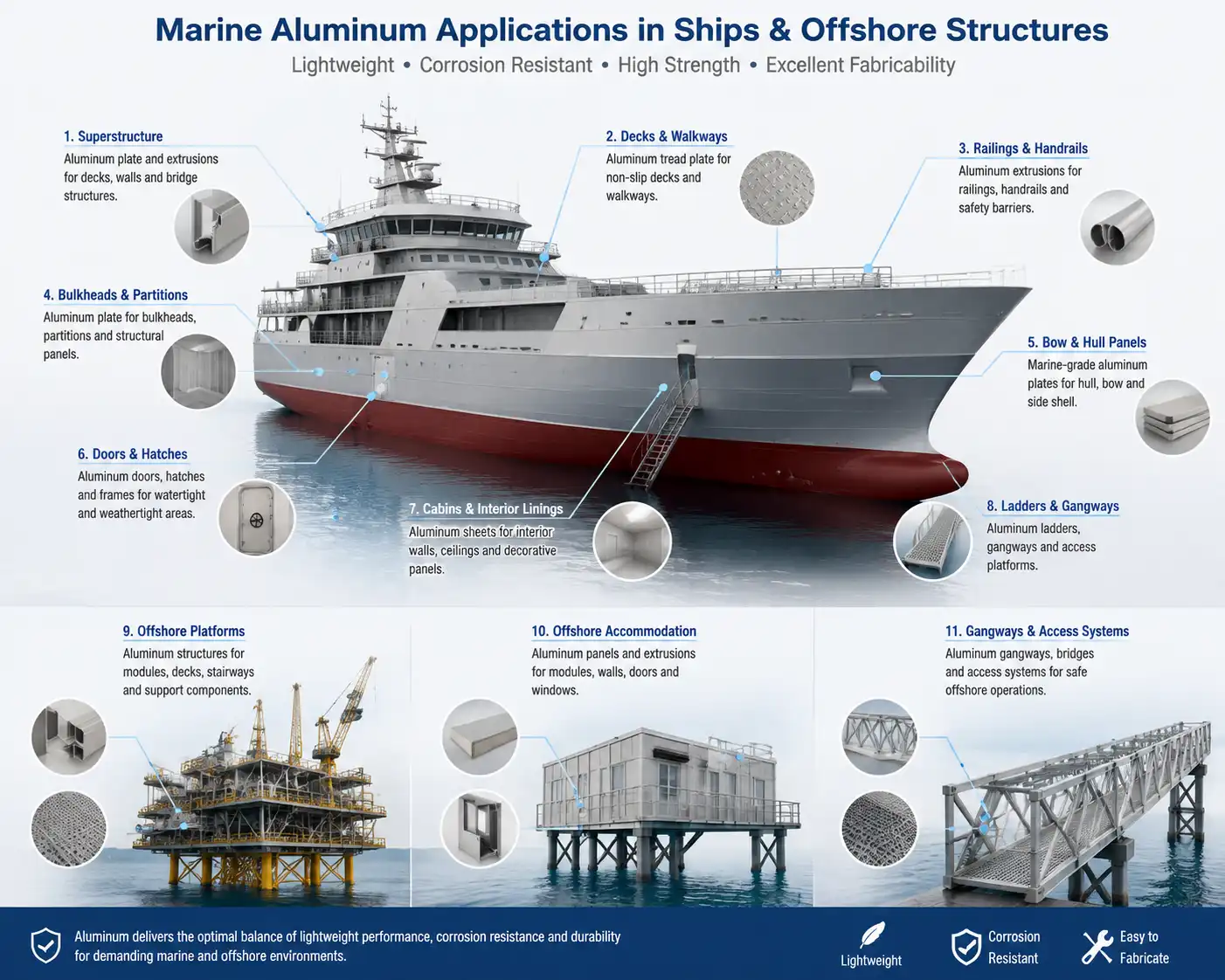
Aluminum is widely used in ships and offshore structures where low weight, corrosion resistance and reliable fabrication are required. Depending on the operating environment and component, marine manufacturers can select suitable aluminum alloys, tempers and product forms for hulls, decks, superstructures, bulkheads, cabins, gangways, offshore platforms and other structural parts exposed to seawater and marine conditions.
Hull Plating & Bottom Structures
Hull and bottom plating require reliable welded strength, corrosion resistance and plate quality. 5083-H116 and 5083-H321 are frequently considered for seawater-exposed hull structures, while 5086 may be selected where the design prioritizes a balance of strength, forming and weld performance. Thickness and temper must be confirmed against structural calculations and the applicable vessel rules.
Decks, Floors & Working Surfaces
Plate and checker plate can be supplied for decks, walkways, engine-room floors, access platforms, steps and work areas. Selection depends on span, concentrated load, traffic, slip-resistance requirements and joining method. Smooth plate supports structural deck fabrication, while tread patterns can provide additional grip in selected access areas.
Superstructures, Cabins & Bulkheads
Aluminum sheet and plate help reduce weight above the waterline in cabins, wheelhouses, partitions, bulkheads, doors and interior linings. 5052, 5754, 5083 and 5086 can be considered according to strength, forming and welding needs. Lighter superstructures may support stability and design efficiency when incorporated correctly by the naval architect.
Gangways, Ladders, Railings & Access Systems
Marine access systems benefit from low component weight and corrosion resistance. Plate, bar and fabricated profiles are used in gangways, ladders, stairs, handrails, maintenance platforms and removable access assemblies. 6061 and 6082 are often considered for machined and structural parts, while 5xxx-series material can support welded plate construction.
Offshore Platforms & Equipment Modules
Offshore projects use aluminum in service platforms, equipment skids, enclosures, walkways, helideck-related components, living-quarter modules and corrosion-resistant secondary structures. The material specification should account for wind, wave exposure, fire strategy, fatigue, joining, galvanic contact and project-specific offshore standards.
Marine Tanks & Low-Temperature Equipment
5083 is also considered for welded tanks, pressure-related fabrications and low-temperature applications because it retains useful toughness at low temperatures. LNG, fuel, water and process-service components require engineering review, approved welding procedures and compliance with the relevant pressure, vessel or classification requirements.
Recommended Marine Aluminum Alloys & Tempers
| Alloy | Typical Tempers | Key Characteristics | Typical Marine Uses |
|---|---|---|---|
| 5052 | O, H32, H34 | Good corrosion resistance, forming and weldability | Cabin panels, enclosures, linings, formed sheet parts |
| 5754 | O, H111, H22, H24 | Good formability and marine-atmosphere resistance | Panels, floors, tanks and moderately loaded fabrications |
| 5083 | O, H111, H112, H116, H321 | High strength among non-heat-treatable alloys, good seawater resistance and weldability | Hull plating, decks, superstructures, offshore structures and tanks |
| 5086 | O, H111, H112, H116, H321 | Strong corrosion resistance with good forming and welding behavior | Boat hulls, decks, gangways and welded marine structures |
| 6061 | T6, T651 | Good machinability, useful structural strength and broad availability | Machined fittings, frames, brackets, flanges and access systems |
| 6082 | T6, T651 | Higher-strength 6xxx-series option with good machining performance | Structural and machined parts, supports and fabricated assemblies |
Important: The table is an application guide, not a design specification. Alloy, temper and product standard must be confirmed from drawings, load calculations, welding procedure and any required classification-society approval.
5083 H116 vs H321: What Is the Difference?
Both H116 and H321 are widely specified for marine plate, but they are not interchangeable by default. H116 is produced with controlled strain hardening and thermal treatment for marine corrosion performance, while H321 is strain-hardened and stabilized for marine service. The required mechanical properties and corrosion-performance limits depend on the governing material standard. Use the exact temper stated by the designer or class-approved specification.
5083 vs 5086 vs 6061 for Marine Use
5083 is generally selected for high-strength welded plate structures such as hulls and decks. 5086 offers excellent marine corrosion resistance and a useful strength-formability balance for boat structures and access systems. 6061 is heat-treatable and well suited to machined fittings, bars, frames and some structural components, but a 6xxx-series alloy should not automatically replace a specified 5xxx-series hull plate. Component function and post-weld properties matter more than alloy name alone.
Get Help Choosing a Marine Aluminum Alloy
Send us the component drawing, vessel or platform type, required standard, alloy/temper if specified, thickness, dimensions, quantity and certification requirements. Our team will review the request and prepare a material supply proposal.
Aluminum Products We Supply for Marine Projects
Shandong Union supplies a complete range of marine-grade aluminum products in different alloys, tempers, sizes and forms to meet the fabrication and structural requirements of shipbuilding and offshore projects.
Marine Aluminum Plate & Sheet
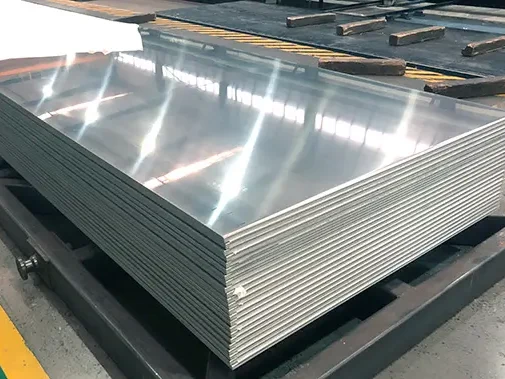
Aluminum plate and sheet are available for hull structures, decks, tanks, cabins, partitions and fabricated equipment. Supply can be arranged by alloy, temper, thickness, width and length, with cut-to-size preparation available according to project needs.
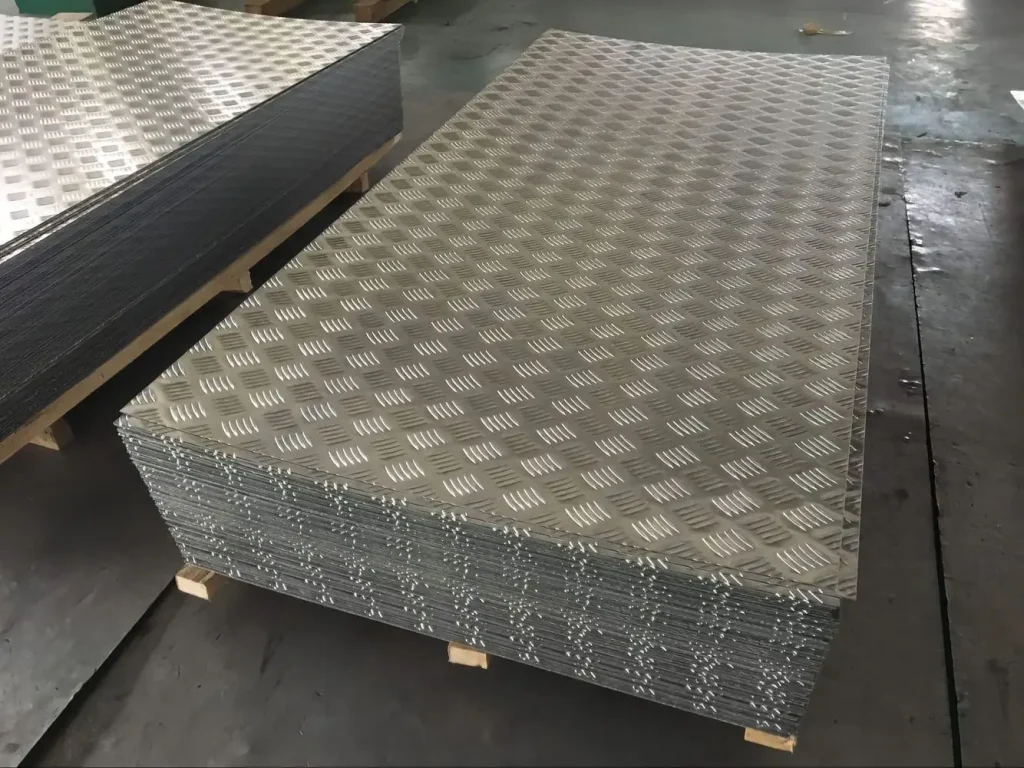
Aluminum Checker Plate
Aluminum checker plate is used for selected decks, stairs, walkways, engine-room floors and service platforms where a raised surface is required. Pattern, alloy, thickness and structural support should be specified for the actual loading and safety requirement.
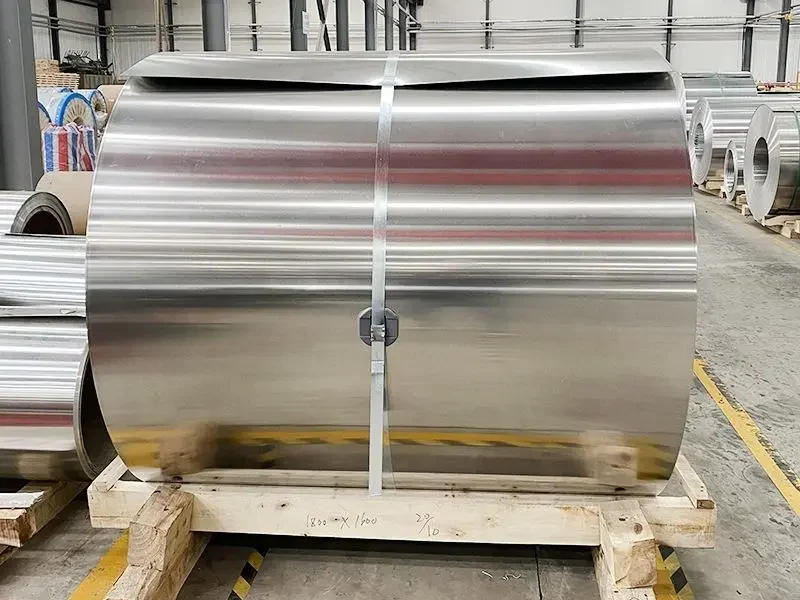
Aluminum Coil
Aluminum coil supports continuous production of roof panels, interior panels, cladding, enclosures and formed marine components. Width, thickness, temper, surface condition and protective film can be matched to the downstream forming line.
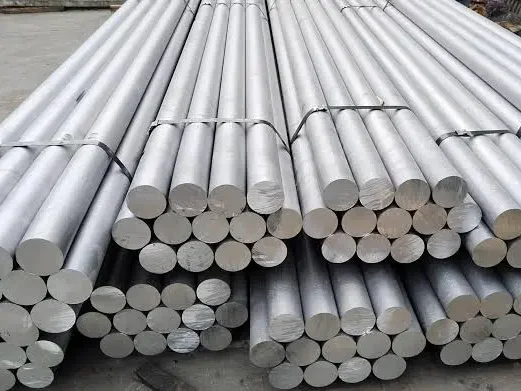
Aluminum Bar, Rings & Machined Blanks
Aluminum bar, rings and sawn blanks can be supplied for flanges, supports, fittings, brackets, housings and machined marine parts. Material can be prepared closer to finished dimensions to reduce handling and machining time.
Marine Aluminum Solutions by Vessel & Offshore Project Type
Shandong Union provides marine aluminum solutions based on vessel type, structural requirements and service environment. We supply suitable alloys, tempers and product forms for shipbuilding, workboats, offshore platforms, marine access systems and other marine structures, with specifications matched to each project’s fabrication and performance requirements.
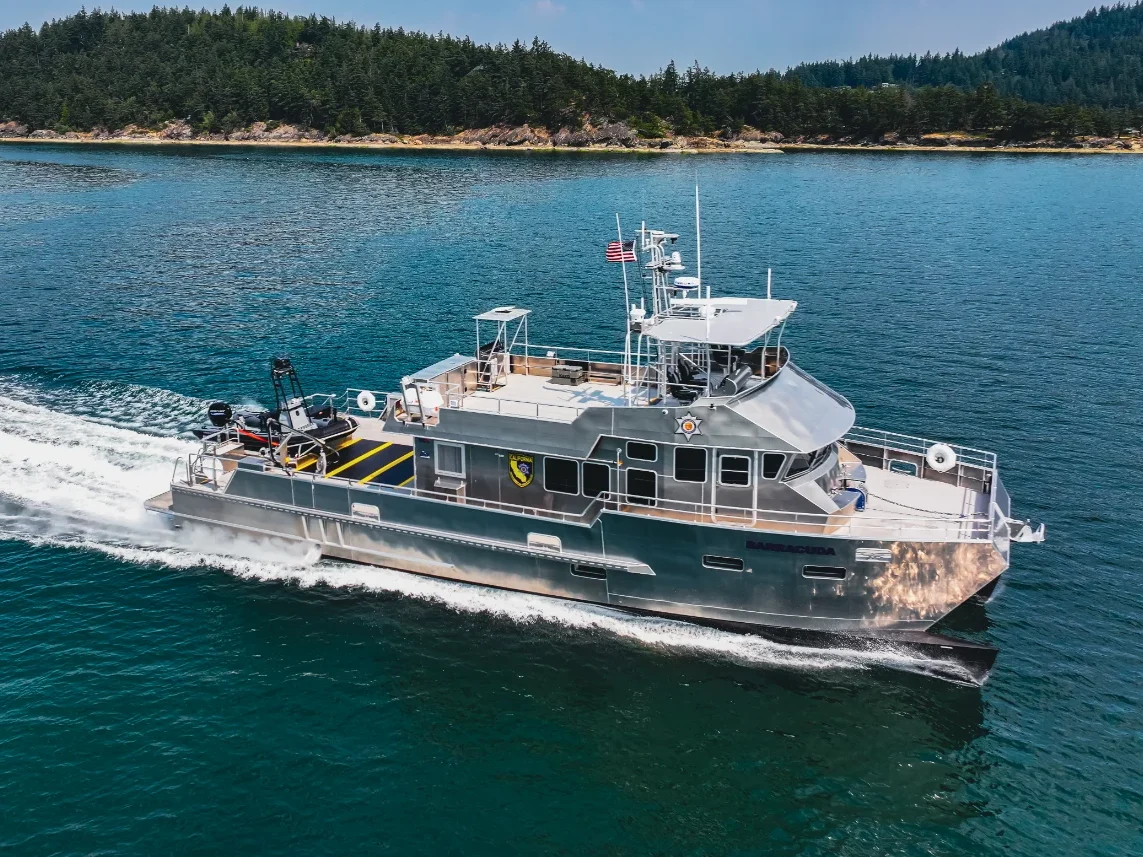
Workboats & Patrol Vessels
Plate for welded hulls and decks, sheet for cabins and linings, and bar or plate blanks for fittings and equipment supports.
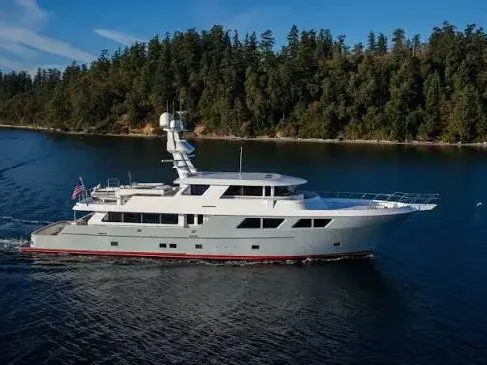
Yachts & Leisure Boats
Marine plate and formed sheet for hulls, superstructures, interiors, hatches, access systems and appearance-sensitive components.
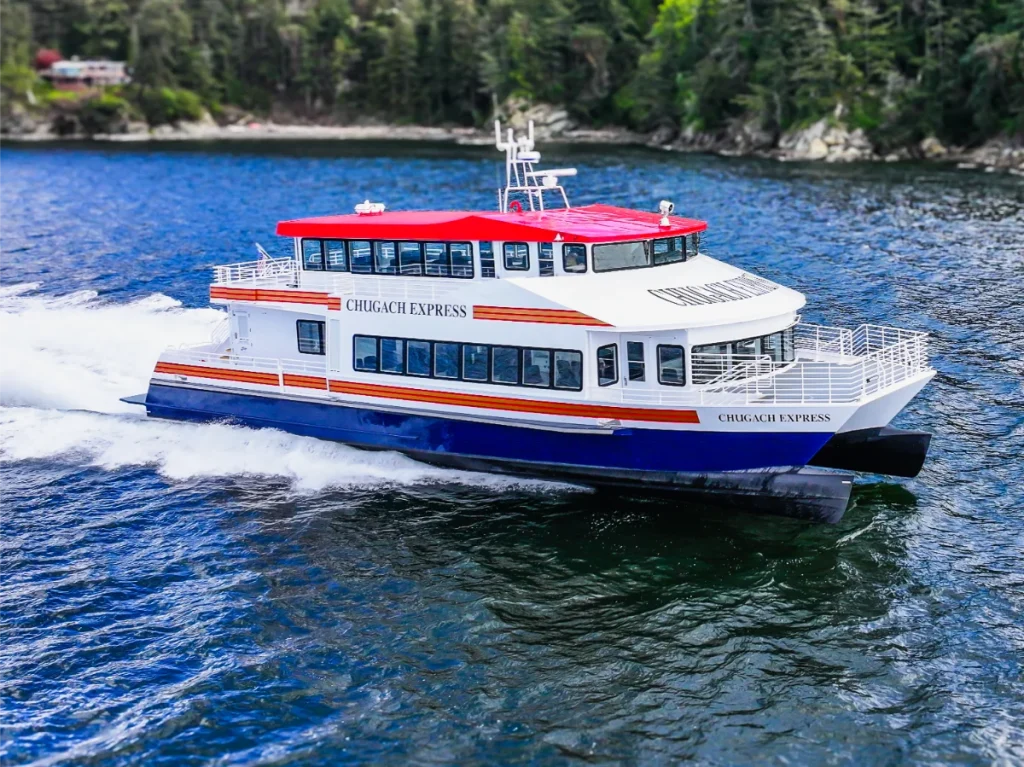
Ferries & Passenger Vessels
Lightweight material solutions for hull sections, decks, cabins, partitions, stairs and passenger-access structures.
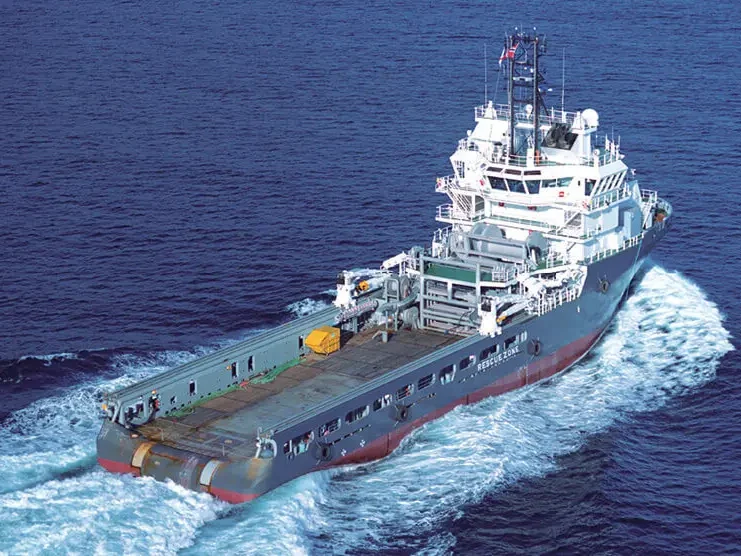
Offshore Support Vessels
Corrosion-resistant plate, checker plate and machined material for decks, modules, access systems and seawater-exposed equipment.
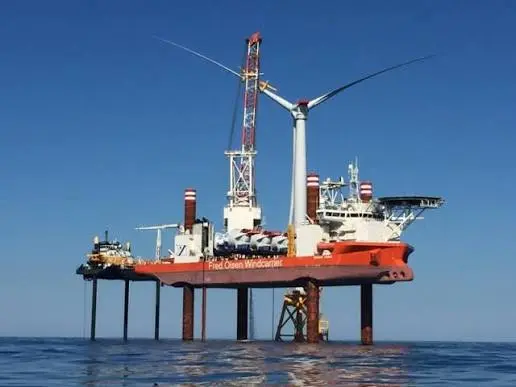
Offshore Platforms & Offshore Wind
Material for walkways, maintenance platforms, enclosures, modules and fabricated secondary structures exposed to marine atmospheres.
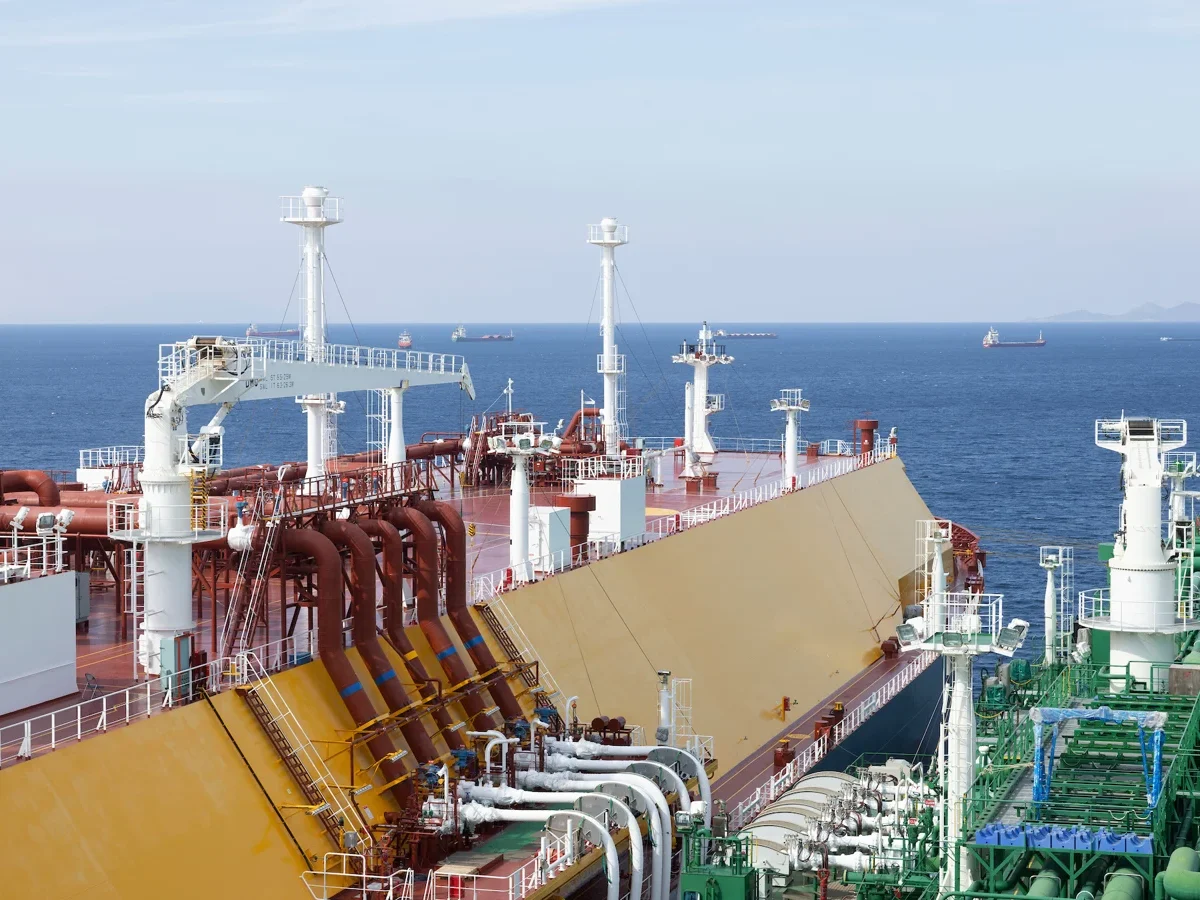
LNG Carriers & Marine Cryogenic Systems
5083 plate and custom-cut material for engineered low-temperature tanks and handling equipment, subject to approved specifications and fabrication procedures.
Marine Aluminum Standards & Classification Requirements
Shipbuilding and offshore projects may specify material standards such as ASTM B928, ASTM B209, EN 485 or EN 573, together with project-specific requirements from classification societies such as ABS, DNV, Lloyd’s Register, Bureau Veritas or CCS. The exact requirement varies by vessel, flag, service and approval route.
Tell us the required standard and certificate at the inquiry stage. Shandong Union will confirm material availability, inspection scope, document requirements and whether third-party or class-related certification can be supported for the requested item. No certification should be assumed unless it is stated in our written quotation and order documents.
Custom Marine Aluminum Processing & Supply Support
- Custom dimensions: thickness, width and length prepared to drawing or purchasing specification.
- Cut-to-size service: sawn plate, sheet blanks, discs, rings and rectangular components.
- CNC machining support: preparation of selected parts, holes, profiles and machined features.
- Surface protection: protective film, interleaving and packaging selected for the product and transport route.
- Inspection documentation: material certificates and inspection records supplied according to confirmed order requirements.
- Export packaging: seaworthy packing designed to reduce moisture, movement and handling damage during international transport.
How to Specify Marine Aluminum for Your Project
- Define the component and service zone. Identify whether the material is for hull, deck, superstructure, tank, access system or machined equipment and whether it is continuously immersed, splash-zone exposed or above the waterline.
- Confirm the governing standard. Provide the drawing, material specification, class rule or customer standard, including any corrosion test or certification requirement.
- Select alloy and temper. Match strength, forming, welding, post-weld properties and corrosion performance to the component rather than choosing by alloy popularity alone.
- Confirm size and tolerance. State thickness, width, length, flatness, dimensional tolerance and any edge or cut-to-size requirement.
- Describe fabrication. Tell us whether the material will be bent, welded, machined, anodized, coated or assembled against dissimilar metals.
- Provide quantity and delivery plan. Include trial quantity, recurring demand, packaging, destination port and required schedule so supply can be planned efficiently.
Why Marine Customers Work with Shandong Union?
Broad Product Range
Plate, sheet, coil, checker plate, bar and rings can be sourced through one team for different vessel and offshore components.
Specification-Based Supply
We review alloy, temper, dimensions, processing and document requirements before confirming the material proposal.
Custom Processing
Cutting, sawing, CNC machining and custom blank preparation reduce downstream material handling for selected projects.
Stable Manufacturing Capacity
Multiple production lines and established production capacity support prototype orders, project batches and recurring international demand.
Quality & Documentation
Inspection and documentation can be aligned with the agreed material standard and purchase-order requirements.
Export Project Support
Our team supports packaging, shipping preparation and order coordination for shipyards and fabricators in international markets.
FAQ
What is the best aluminum alloy for boat hulls?
5083-H116 and 5083-H321 are common choices for welded marine hull plating because they combine strength, weldability and resistance to marine corrosion. 5086 is also widely considered for boat hulls. The correct choice depends on vessel design, plate thickness, welding procedure and class requirements.
Is 5083 aluminum suitable for seawater?
Yes. 5083 is an aluminum-magnesium alloy well known for performance in seawater and marine atmospheres. Its suitability still depends on the specified temper, correct fabrication, avoidance of unsuitable galvanic contact and compliance with the project standard.
What is the difference between 5083 H116 and H321?
Both are strain-hardened marine tempers with controlled corrosion performance, but H321 includes a stabilization treatment. Mechanical and corrosion limits depend on the applicable material standard. Use the temper named in the approved drawing or specification rather than substituting without engineering review.
Can 6061 aluminum be used in marine applications?
6061 is often used for machined fittings, frames, brackets, access systems and structural components because it offers good machinability and useful strength. It is not automatically a substitute for 5083 or 5086 hull plate, especially where welded post-strength and continuous seawater exposure govern the design.
What aluminum products are used in offshore platforms?
Offshore projects can use plate, sheet, checker plate, bar and fabricated profiles in walkways, platforms, modules, enclosures, access systems, tanks and equipment supports. Final material selection must account for structural load, fatigue, fire design, corrosion zone, joining and offshore project standards.
Can marine aluminum plate be cut to size?
Yes. Shandong Union can provide cut-to-size plate and sheet, sawn blanks, discs, rings and selected CNC-machined components. Send the drawing, alloy, temper, dimensions, tolerance, quantity and required documentation for review.
Can you supply marine classification certificates?
Certification support depends on the alloy, temper, size, production route and order quantity. State the required classification society and document type before quotation. We will confirm what can be supplied for the specific order; certification is not implied unless written into the quotation and purchase documents.
What information is needed for a marine aluminum quotation?
Please provide alloy and temper, product form, thickness or diameter, width and length, quantity, required standard, class or certificate requirement, processing, surface protection, destination and delivery schedule. A component drawing is helpful for cut-to-size or machined material.
Request a Marine Aluminum Supply Proposal
Tell us your vessel or offshore project, component, alloy, temper, dimensions, quantity, required standard and certification needs. Shandong Union will review the specification and prepare a tailored material and processing proposal.