
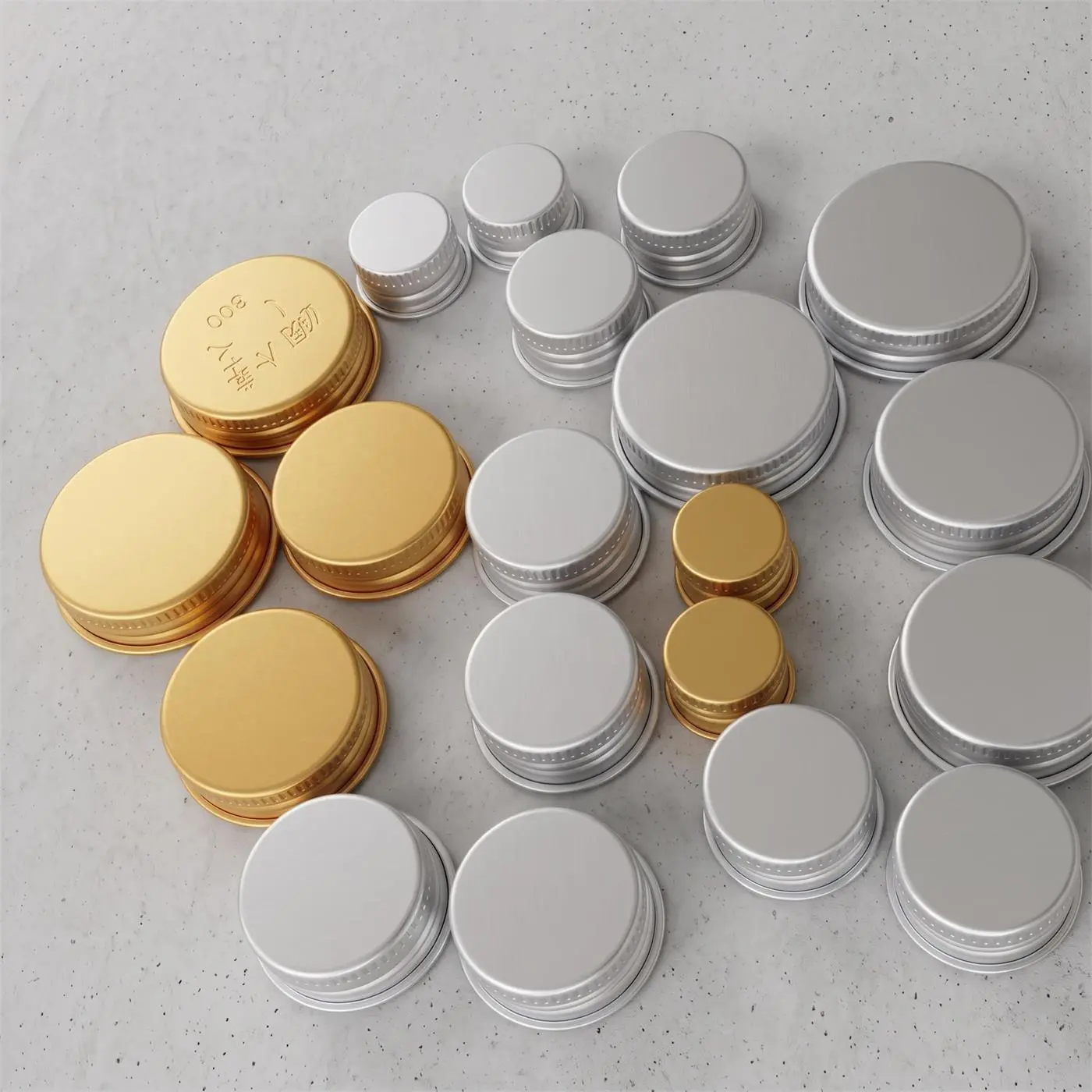
What Is Aluminum Closure Sheet?
Aluminum closure sheet and strip are used for blanking, deep drawing and forming bottle caps on continuous production lines. Cap stock requires controlled hardness, elongation and gauge across the coil to maintain consistent cap height and edge quality. Excessive earing, edge splitting or thickness variation can increase trimming loss and interrupt press operation.
For bottle cap material, the main control items are temper, tensile strength, elongation, earing rate, thickness tolerance, flatness and surface quality. Material for lacquered, coated or printed caps also requires a clean surface with good coating adhesion after drawing and forming.
The specification is normally determined by cap diameter, drawing depth, material thickness, forming stages and finished cap strength. 8011 is commonly used for closures requiring good deep-drawing performance, while 3104 is selected for cap designs requiring higher strength and rigidity after forming.
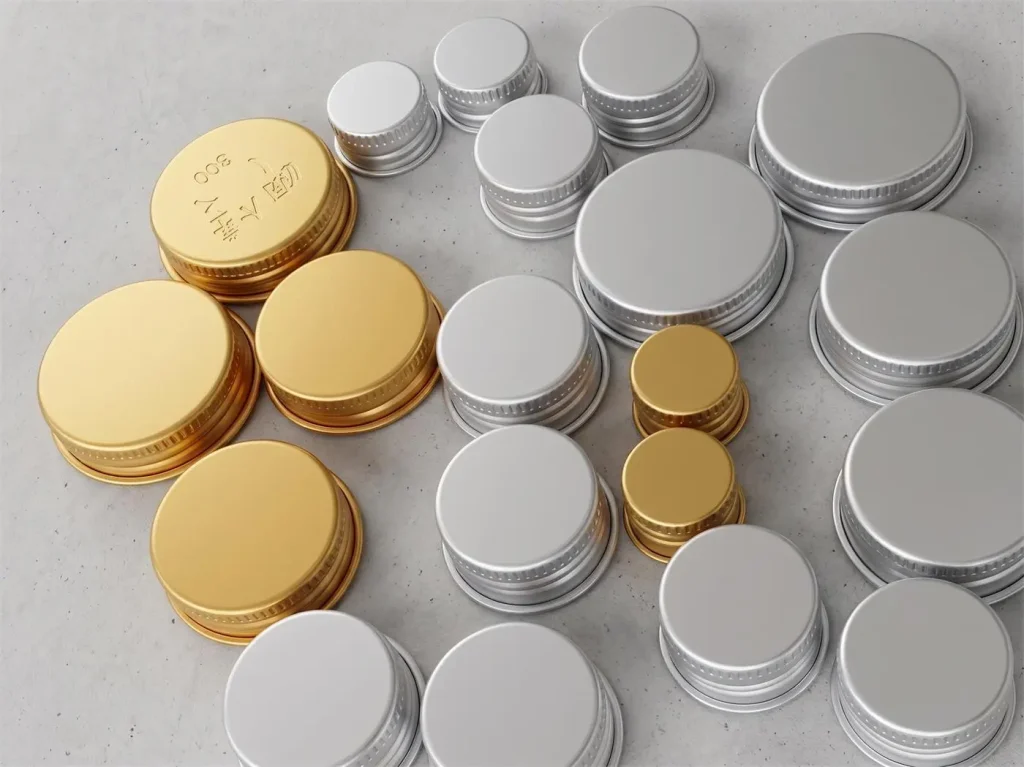
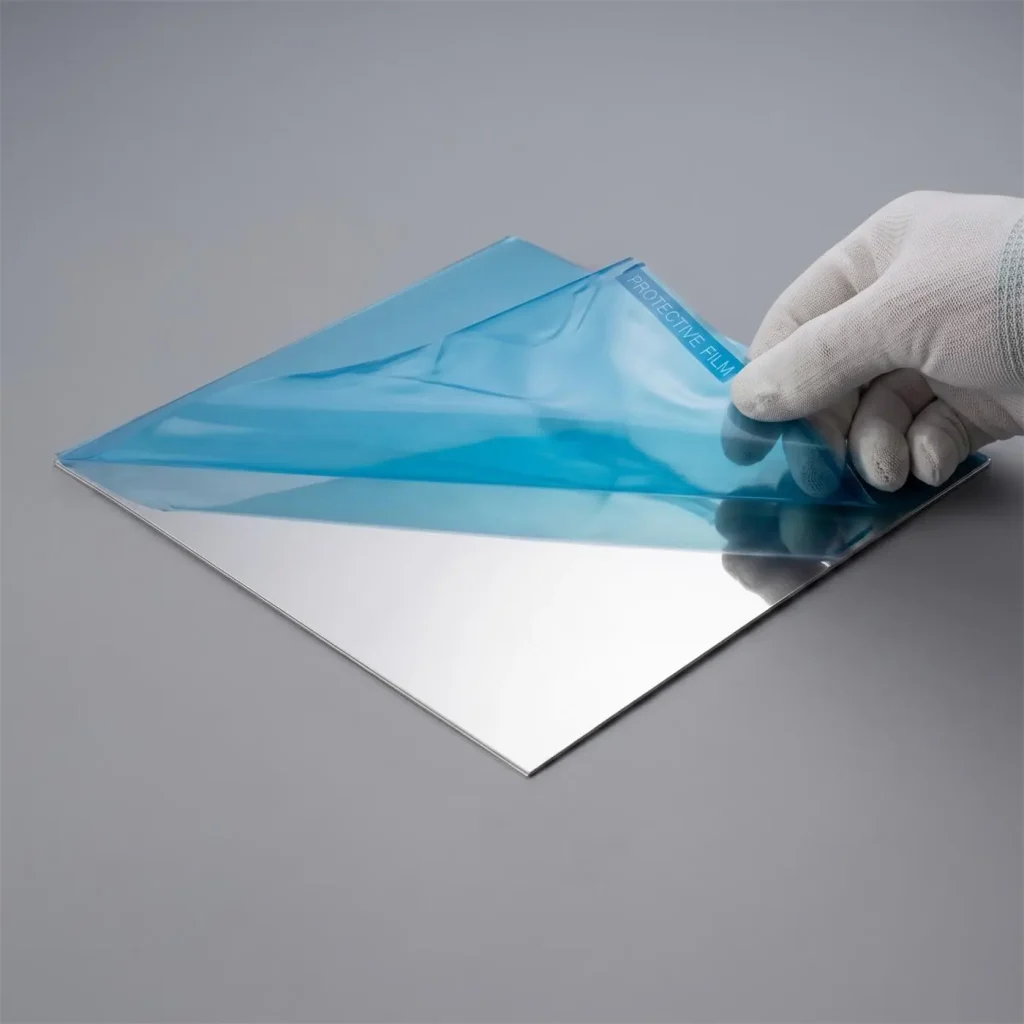
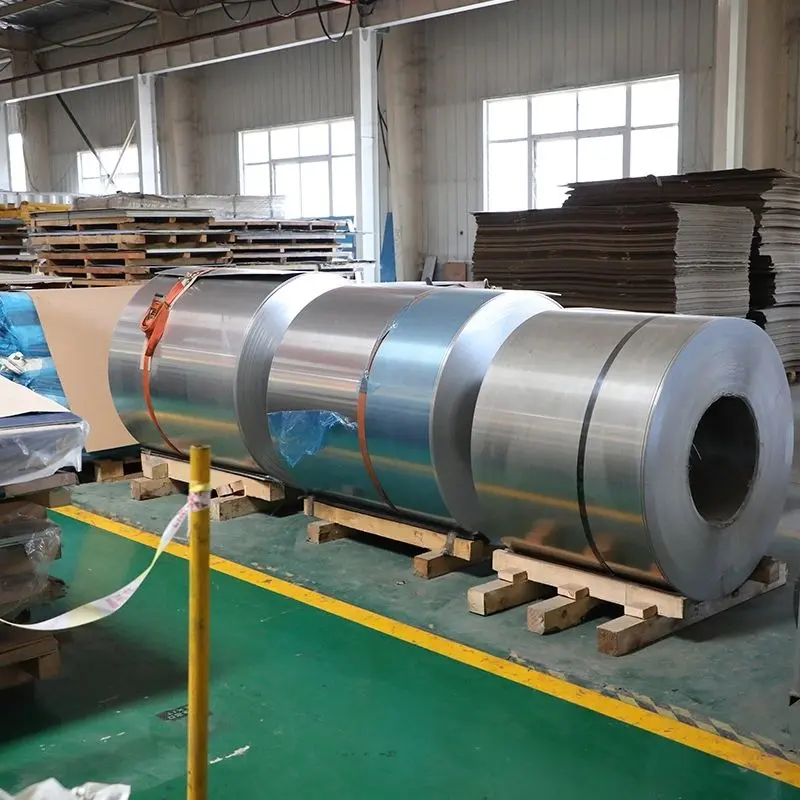
Shandong Union mainly supplies 8011 and 3104 aluminum for closure applications, with material specifications matched to the customer’s cap production process.
Specifications
| Item | 8011 Aluminum Closure Stock | 3104 Aluminum Closure Stock |
| Alloy | 8011 | 3104 |
| Temper | H14, H16, Custom | H14, H16, H19, Custom |
| Product Form | Sheet, Strip, Coil | Sheet, Strip, Coil |
| Thickness | Custom | Custom |
| Width | Custom | Custom |
| Surface | Mill Finish, Coated, Lacquered | Mill Finish, Coated, Lacquered |
| Edge | Slit / Trimmed | Slit / Trimmed |
| Coil ID / OD | Custom | Custom |
| Coil Weight | According to order | According to order |
| Processing | Slitting, Cutting, Surface Treatment | Slitting, Cutting, Surface Treatment |
| Typical Applications | ROPP Caps, Wine Caps, Pharmaceutical Caps, Pilfer-Proof Caps | Beverage Caps, Wine & Spirits Closures, High-Strength Caps |
| Packing | Export Seaworthy Packing | Export Seaworthy Packing |
8011 Aluminum Closure Sheet for Bottle Caps
8011 aluminum closure sheet is commonly used for ROPP caps, wine and spirits closures, pharmaceutical caps and pilfer-proof caps. The alloy has good deep-drawing performance and allows stable control of earing and cap height during forming. Its uniform surface is also suitable for lacquering, coating and printing.
8011 H14 Aluminum for Bottle Caps
8011 H14 offers good ductility with moderate strength. It is suitable for deep-drawn caps and closures where forming depth and edge quality are important.
8011 H16 Aluminum for Bottle Caps
8011 H16 has higher strength and hardness than H14. It is used for caps that require greater rigidity while still allowing stamping and forming.
3104 Aluminum Closure Sheet
3104 aluminum closure sheet offers higher strength while retaining good forming and deep-drawing properties. It is used for beverage caps, wine and spirits closures, screw caps and other applications where cap rigidity, dimensional stability and surface quality are important.
3104 Aluminum for Beverage Caps
3104 provides the strength required for beverage closures while maintaining reliable forming performance during stamping and cap forming.
3104 Aluminum for Wine & Spirits Closures
Suitable for long caps and decorative closures that require good drawability, consistent cap shape and a clean surface for coating or printing.
3104 Aluminum for Deep-Drawn Closures
Good strength and ductility allow 3104 to be used for deep-drawn closure designs where thin material and finished-part rigidity are required.
Applications: Beverage caps, wine and spirits closures, ROPP caps, screw caps, pilfer-proof caps, and deep-drawn aluminum closures.
8011 vs 3104 Aluminum for Bottle Caps
8011 and 3104 are both used for aluminum closures, but they suit different forming and strength requirements. 8011 is preferred for deep-drawn caps where ductility and earing control are important. 3104 offers higher strength and is better suited to closures that require greater rigidity after forming.
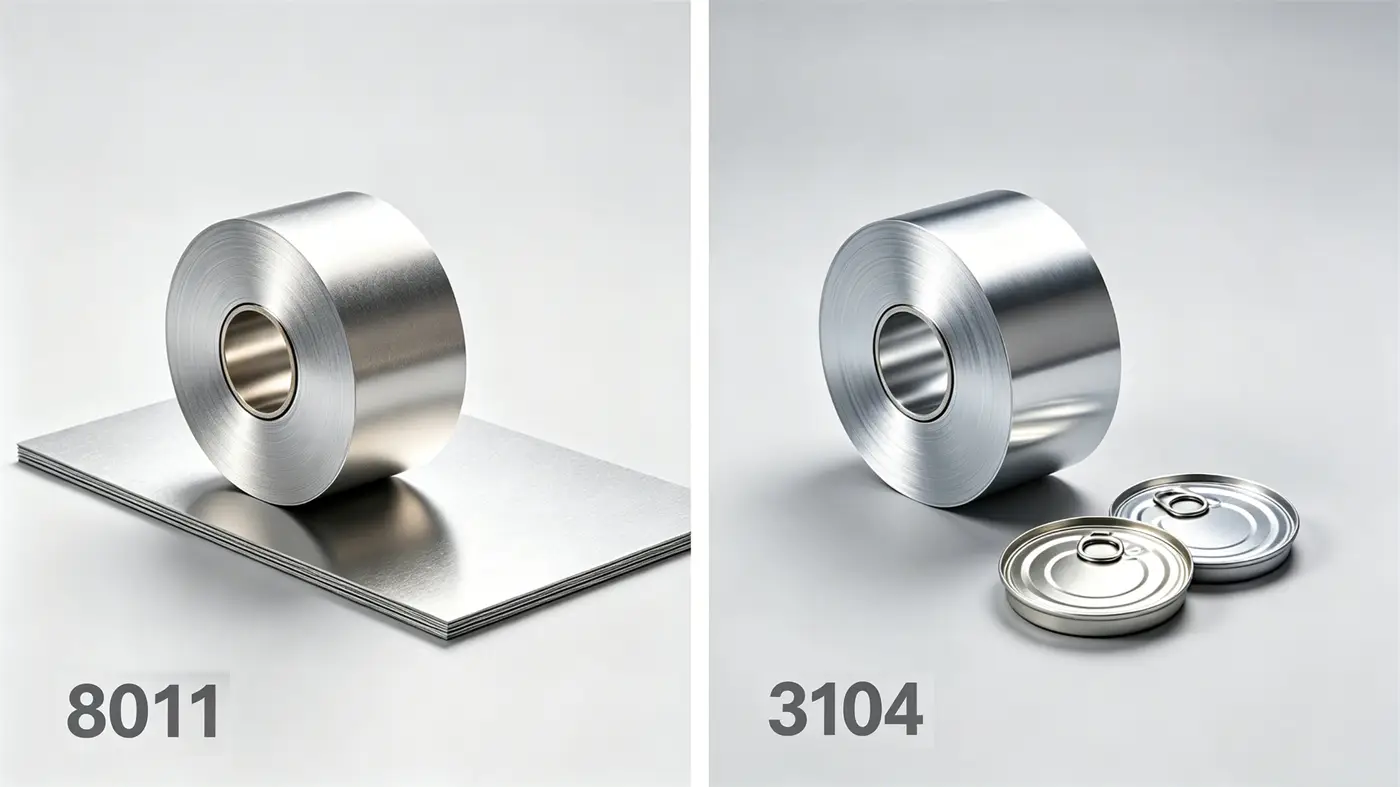
| Comparison | 8011 Aluminum | 3104 Aluminum |
| Formability | Excellent | Good |
| Deep Drawing | Excellent | Good |
| Strength | Moderate | Higher |
| Earing Control | Good | Good |
| Cap Rigidity | Moderate | Higher |
| Surface Treatment | Coating, lacquering, printing | Coating, lacquering, printing |
| Typical Caps | ROPP, pharmaceutical, wine and pilfer-proof caps | Beverage, wine, spirits and high-strength closures |
| Best For | Deeper forming and complex cap shapes | Higher-strength and rigid cap designs |
Which Alloy Should You Choose?
Choose 8011 when the cap requires deeper drawing, good ductility and stable forming. 3104 is a better option when higher finished strength and rigidity are required. For production orders, the final selection should also consider cap diameter, drawing depth, material thickness, temper and sealing structure.
Application
8011 and 3104 closure stock can be supplied for different cap structures and forming processes. Alloy, temper and thickness are selected according to drawing depth, cap strength, surface treatment and production line requirements.
ROPP Cap Stock
For roll-on pilfer-proof caps used on wine, spirits and bottled beverages. Low earing and controlled mechanical properties help maintain cap height and edge consistency after drawing.
Material Requirements: Low earing · Deep drawing · Stable temper · Clean surface
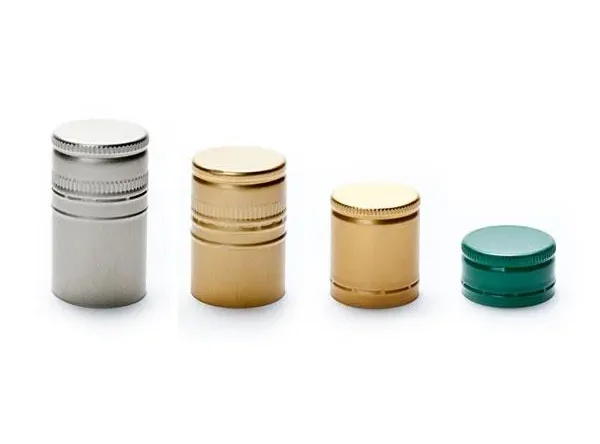
Wine & Spirits Cap Stock
For short and long aluminum caps that require drawing, embossing, lacquering or printing. The sheet must retain an even cap profile after forming and provide a clean surface for decoration.
Material Requirements: Drawability · Cap height control · Surface finish · Coating and printing
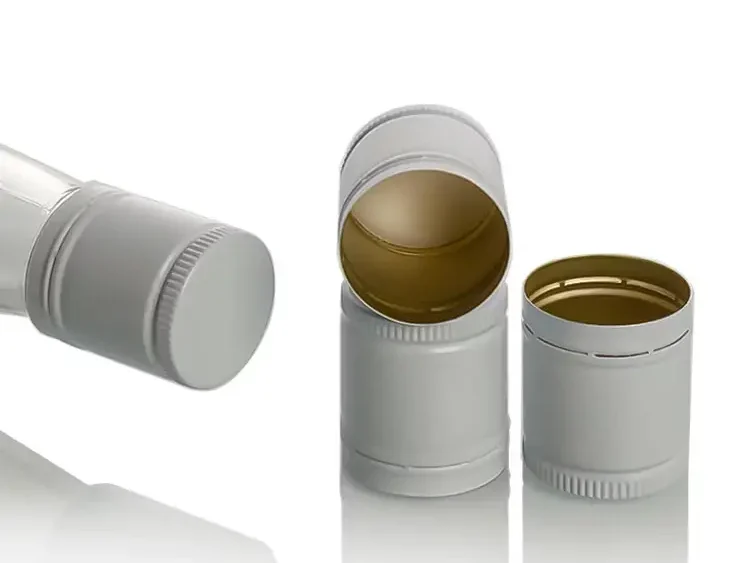
Beverage Cap Stock
For water, juice, soft drinks and other beverage closures. The material must provide sufficient strength after forming while keeping cap dimensions within the required tolerance.
Material Requirements: Strength · Formability · Dimensional control · Sealing
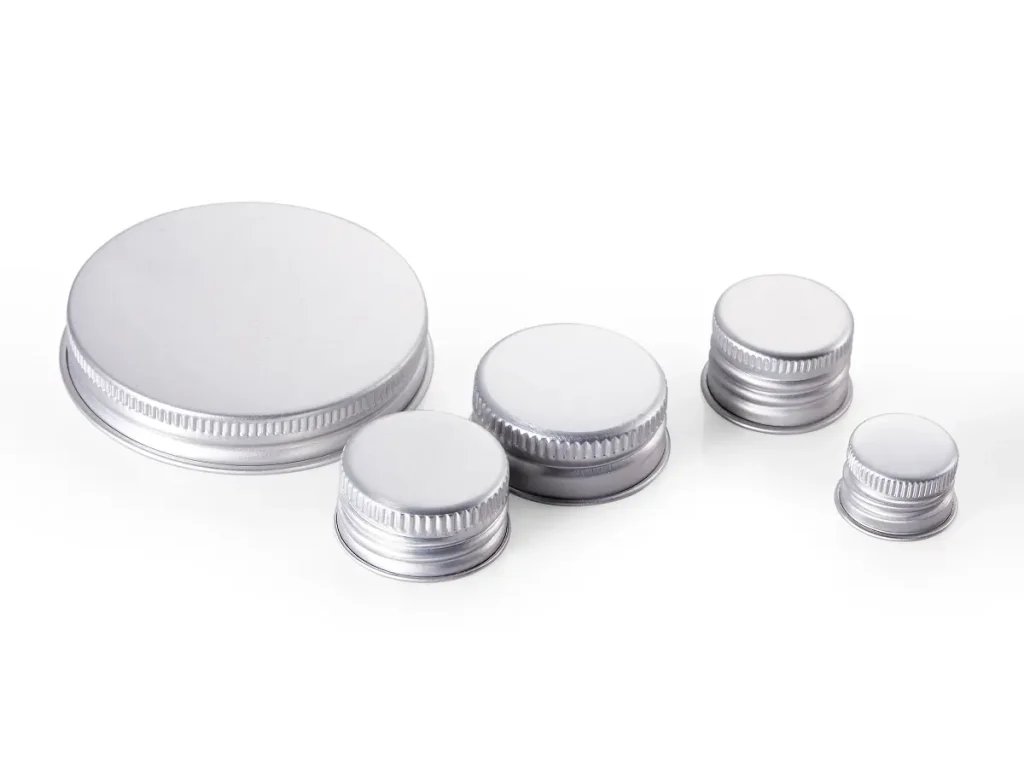
Pharmaceutical Cap Stock
8011 strip is used for vial seals, oral liquid bottle caps and tear-off caps. Controlled hardness, strip width and surface cleanliness are important for stamping and subsequent coating or printing.
Material Requirements: Clean surface · Controlled hardness · Width tolerance · Formability
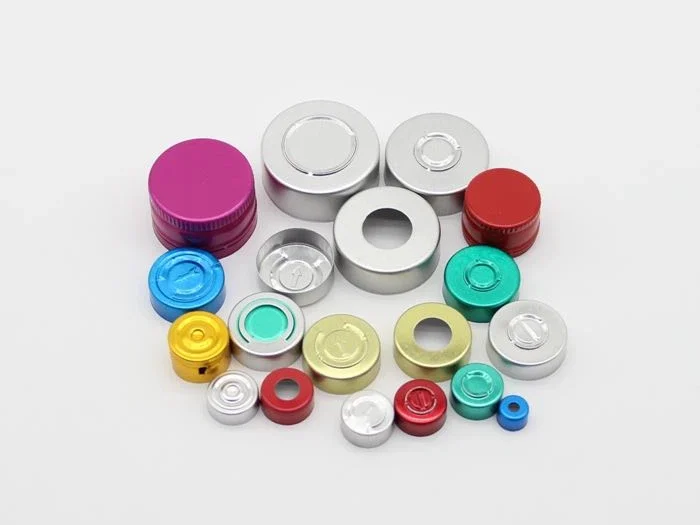
Pilfer-Proof & Screw Cap Stock
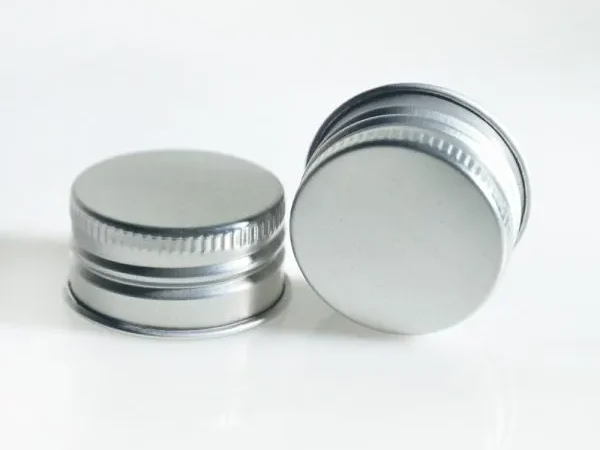
For pilfer-proof and screw closures, the material specification is selected according to cap diameter, drawing depth, thread forming and finished cap strength.
Material Requirements: Forming control · Strength · Gauge tolerance · Surface quality
How to Choose Aluminum for Bottle Caps?
Bottle cap material should be selected around the forming process and finished cap requirements. For 8011 and 3104 closure stock, the main factors are cap geometry, drawing depth, required strength, temper, thickness and surface treatment.
| Cap / Production Requirement | Selection Focus | Suggested Material |
| ROPP Caps | Low earing, deep drawing, stable cap height | 8011 |
| Wine & Spirits Caps | Drawability, surface finish, printing or coating | 8011 / 3104 |
| Beverage Caps | Higher strength, dimensional control, sealing | 3104 |
| Pharmaceutical Caps | Controlled hardness, clean surface, strip tolerance | 8011 |
| Deep-Drawn Caps | Elongation, earing and drawing depth | 8011 |
| Higher-Strength Closures | Strength and rigidity after forming | 3104 |
| Printed / Coated Caps | Surface quality and coating compatibility | 8011 / 3104 |
| High-Speed Cap Lines | Gauge, temper and batch consistency | 8011 / 3104 |
For material selection, send us your cap drawing or current material specification, including alloy, temper, thickness, width and surface requirements. Shandong Union can match the closure stock to your forming process and production line.
Advantages of Aluminum Bottle Cap Material
For bottle cap production, material quality affects press stability, forming accuracy, surface finishing and scrap rate. 8011 and 3104 closure stock can be supplied with controlled mechanical properties and dimensional tolerances for continuous cap production.
Low Earing
Controlled earing keeps the drawn edge more uniform, reducing trimming allowance and material loss.
Stable Formability
Consistent tensile strength and elongation help maintain the same forming conditions across coils and production batches.
Tight Thickness Tolerance
Uniform gauge helps control cap height, wall thickness and finished dimensions during high-speed stamping.
Good Flatness
Flat sheet and strip feed more smoothly through coating, printing, blanking and forming equipment.
Clean Surface
The surface is controlled for oil stains, scratches, oxidation and other defects that may affect lacquering, printing or finished appearance.
Strength After Forming
The alloy and temper are selected to retain the required cap rigidity after drawing and forming while meeting the process requirements of the production line.
Surface Options
Surface condition is specified according to the cap forming and decoration process. Shandong Union can supply 8011 and 3104 aluminum closure sheet and strip for subsequent lacquering, coating, printing and cap forming.
| Surface Option | Description | Typical Use |
| Mill Finish | Clean rolled surface for customers carrying out their own coating or printing. | General cap production and further processing |
| Degreased Surface | Rolling oil and surface residue are controlled before downstream treatment. | Lacquering, coating and printing |
| Lacquered | Protective lacquer applied to meet forming and packaging requirements. | ROPP, wine, beverage and pharmaceutical caps |
| Color Coated | Pre-coated surface for decorative closure production. | Wine, spirits and beverage caps |
| Printing-Ready | Surface prepared for subsequent printing and brand decoration. | Printed and customized bottle caps |
Surface finish, coating requirements and color can be specified according to the customer’s cap design and production process.
8011 & 3104 Chemical Composition
8011 and 3104 have different alloy systems and are selected according to the forming and strength requirements of the closure. 8011 is commonly specified for deep-drawn cap stock, while 3104 provides higher strength for closures requiring greater rigidity.
8011 Aluminum Chemical Composition
| Element | Si | Fe | Cu | Mn | Mg | Zn | Ti | Al |
| Content (%) | 0.50–0.90 | 0.60–1.00 | ≤0.10 | ≤0.20 | ≤0.10 | ≤0.10 | ≤0.08 | Balance |
3104 Aluminum Chemical Composition
| Element | Si | Fe | Cu | Mn | Mg | Zn | Ti | Al |
| Content (%) | ≤0.60 | ≤0.80 | 0.05–0.25 | 0.80–1.40 | 0.80–1.30 | ≤0.25 | ≤0.10 | Balance |
Chemical composition is subject to the applicable material standard and order specification. Mill test certificates can be supplied with the shipment.
From Aluminum Coil to Finished Bottle Cap
Bottle cap production normally starts with rolled aluminum coil or strip and passes through several forming and surface-processing stages. Material properties established during rolling and tempering directly affect subsequent blanking and drawing.
Aluminum Rolling → Slitting → Cleaning → Lacquering / Printing → Blanking → Deep Drawing → Cap Forming → Lining & Sealing
Rolling & Temper Control
The required gauge and temper are produced according to the cap specification. Thickness variation and mechanical properties are controlled across the coil.
Precision Slitting
Master coils are slit to the required width for the customer’s press or coating line. Strip width and edge condition are checked before packing.
Surface Preparation
Depending on the order, the material can be supplied for subsequent cleaning, lacquering, coating or printing.
Blanking & Deep Drawing
The cap manufacturer blanks and draws the material to the required diameter and height. Earing, elongation and temper have a direct effect on this stage.
Cap Forming & Finishing
Threads, pilfer-proof features, embossing and other closure details are formed before lining, sealing or final assembly.
Quality Control
Closure stock is checked against the agreed material specification before shipment. Inspection covers the properties that affect stamping, drawing, coating and continuous cap production.
| Inspection Item | Control Point |
| Chemical Composition | Alloy conformity |
| Thickness | Gauge and thickness variation |
| Width | Strip and sheet dimensional tolerance |
| Tensile Strength | Temper and strength verification |
| Elongation | Drawing and forming capability |
| Earing | Drawn-cup edge consistency |
| Flatness | Coil feeding and downstream processing |
| Surface | Scratches, stains, oxidation and other defects |
| Slit Edge | Burr and edge condition |
| Coil Dimensions | ID, OD and coil weight |
| Batch Traceability | Heat / coil identification and inspection records |
Inspection documents and material certificates can be supplied according to the purchase specification.
Aluminum Closure Sheet Price
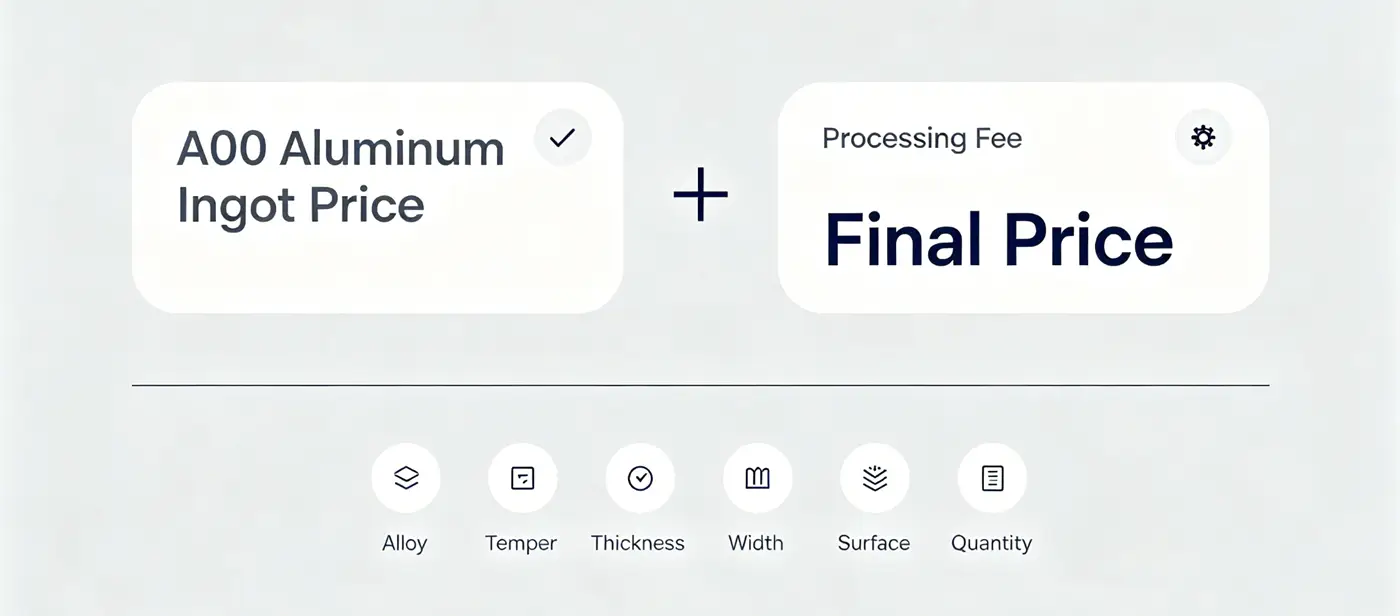
The price of aluminum closure sheet is based on two parts: the A00 aluminum ingot price + processing fee. Shandong Union uses the closing average of the Yangtze River A00 aluminum spot price on the shipment date as the metal price reference.
As aluminum ingot prices change daily, the final price of 8011 and 3104 closure stock will move with the aluminum market. The processing fee is determined by the alloy, temper, thickness, width, surface treatment, slitting requirements and order quantity.
For an accurate quotation, please provide your required alloy, temper, dimensions, surface, coil specification and quantity.
Custom Aluminum Closure Sheet & Strip
Bottle cap lines differ in press configuration, tooling, coating process and coil handling. Closure stock can therefore be supplied to the customer’s existing material specification or cap drawing.
- Alloy & Temper: 8011 and 3104 are available in tempers matched to drawing depth, cap strength and forming method.
- Thickness & Width: Gauge and width can be produced according to the cap specification and downstream equipment.
- Precision Slitting: Coils can be slit to the required strip width, with edge condition controlled for continuous feeding and stamping.
- Surface Requirements: Mill finish and processed surfaces are available for subsequent lacquering, coating, printing and decoration.
- Coil Configuration: Coil ID, OD and unit weight can be specified to suit decoilers, coating lines and material handling equipment.
- Export Packing: Coils and sheets are protected against moisture, edge damage and surface abrasion for container transport.
For a quotation, provide the cap type, alloy, temper, thickness, width, surface requirement, coil size and order quantity.
Why Choose Shandong Union?
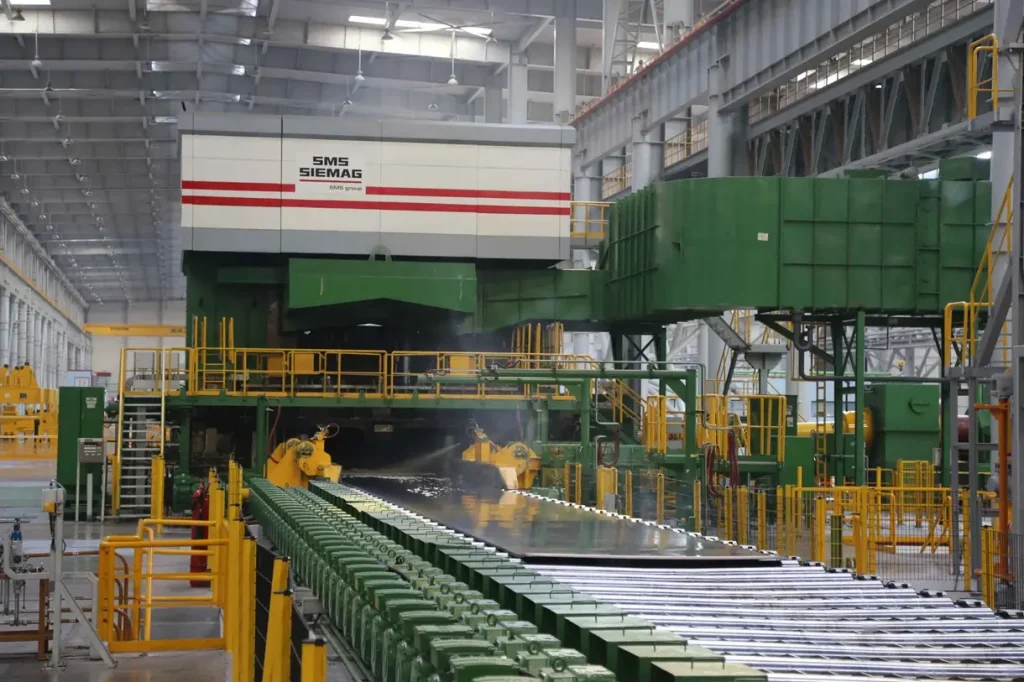
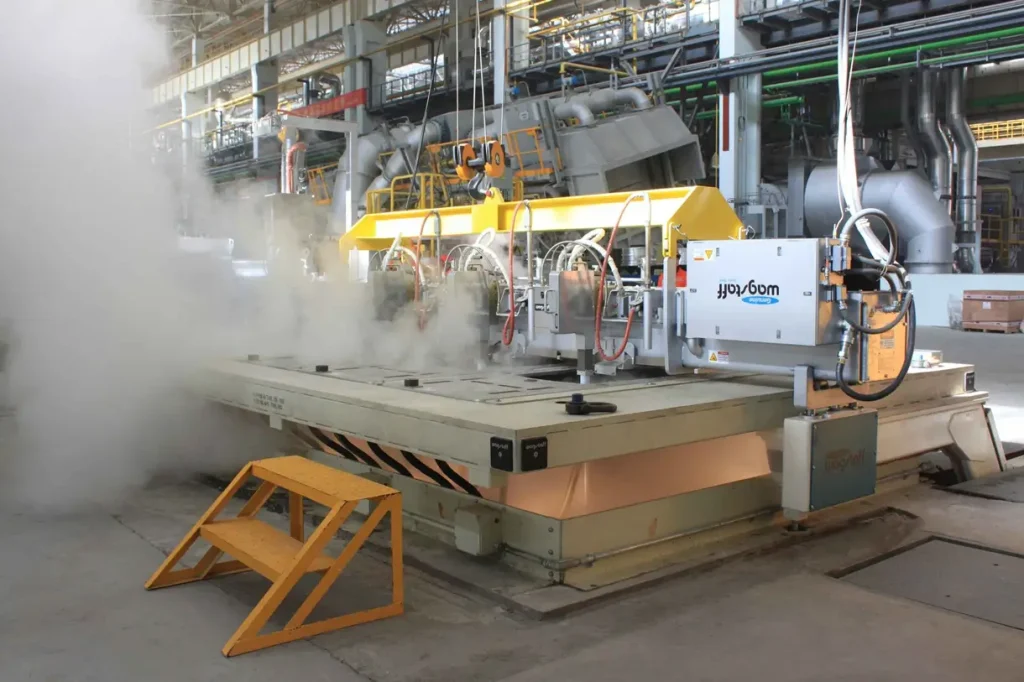
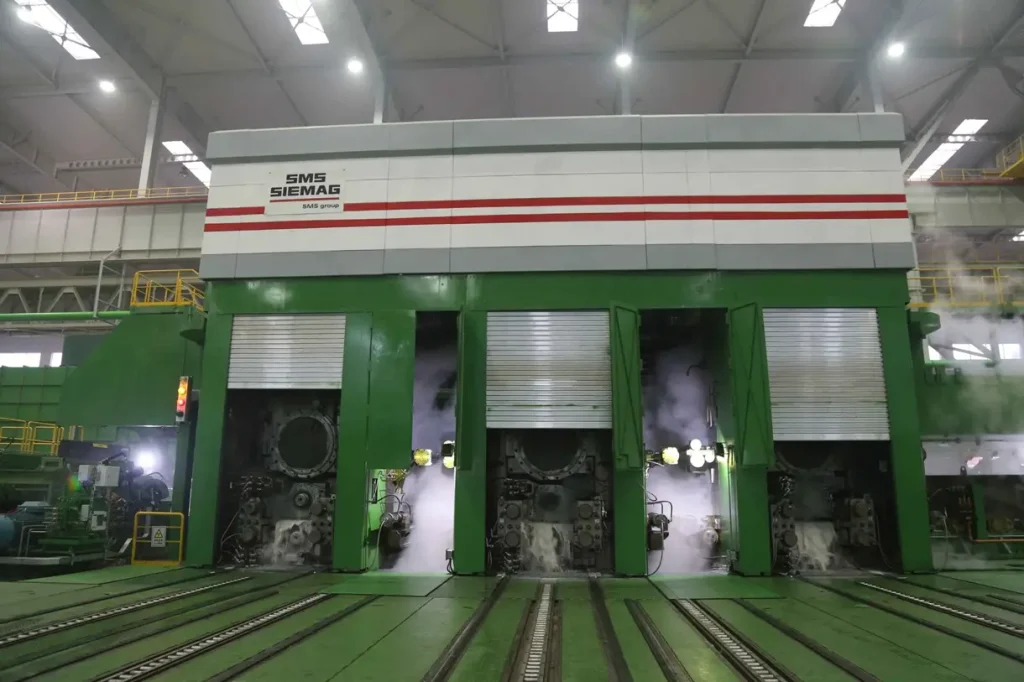
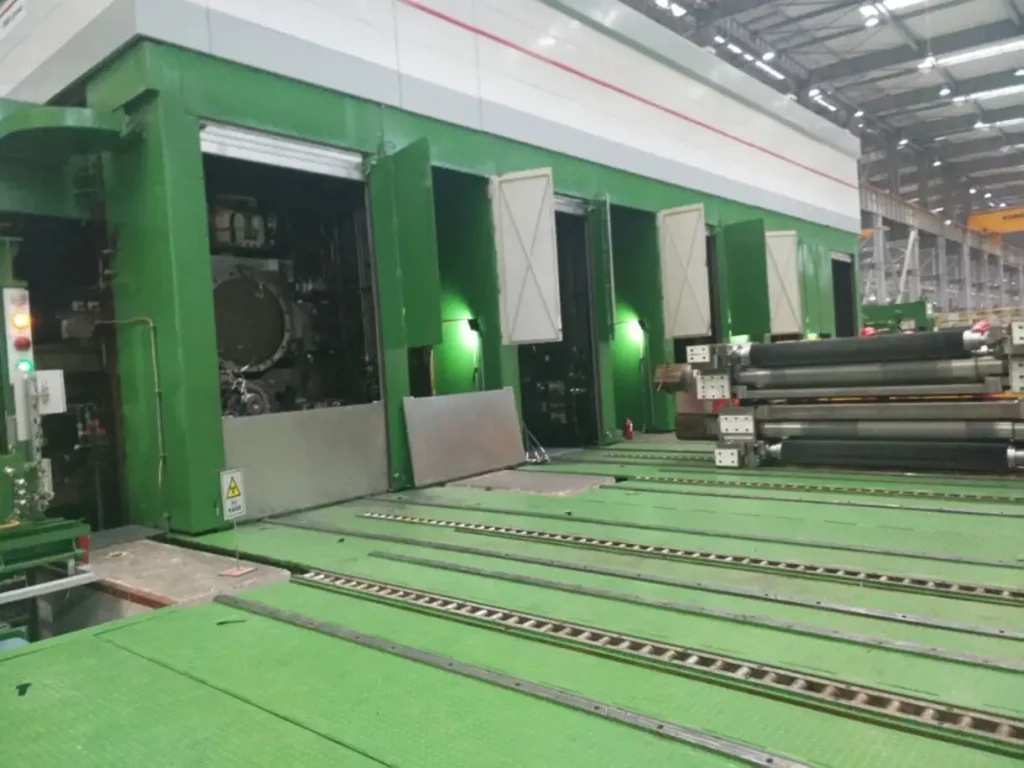
Shandong Union is an integrated aluminum manufacturer covering casting, hot rolling, cold rolling, finishing and further processing. Our production base supports aluminum sheet, strip and coil manufacturing from 1xxx to 8xxx series, with the capacity to handle both standard and application-specific orders. For aluminum closure stock, production is controlled around gauge consistency, mechanical properties, flatness and surface condition required by cap forming lines.





Our Advantages
8011 & 3104 Supply
Material can be matched to ROPP caps, wine and spirits closures, beverage caps, pharmaceutical caps and other closure designs.
Controlled Coil Quality
Thickness, mechanical properties, flatness, surface condition and slit dimensions are checked against the order specification.
Processing to Production-Line Requirements
Slitting, sheet cutting, coil dimensions and surface requirements can be arranged around the customer’s press, coating line and material handling system.
Batch Consistency
Repeat orders are produced against the confirmed specification to limit changes in forming behavior between production batches.
Material Documentation
Material certificates, inspection records and order identification can be provided for incoming quality control and traceability.
Export Supply
Export packing and shipping documentation are prepared for international orders, with coil protection selected for container handling and long-distance transport.
FAQs
What is aluminum closure sheet?
Aluminum closure sheet is rolled aluminum material produced for bottle caps and other closure components. It is supplied as sheet, strip or coil for blanking, deep drawing, coating and printing. Compared with general aluminum sheet, closure stock requires tighter control of temper, thickness, earing, flatness and surface quality.
What aluminum alloy is used for bottle caps?
8011 and 3104 are commonly used for aluminum bottle caps and closures. 8011 is widely used where deep drawing and low earing are required, while 3104 provides higher strength for closures requiring greater rigidity. The alloy should be selected according to cap design, forming depth, temper and finished strength.
Is 8011 aluminum good for bottle caps?
Yes. 8011 aluminum is well suited to deep-drawn bottle caps and closures. It provides good formability and can be produced with controlled earing and consistent mechanical properties. Typical applications include ROPP caps, wine and spirits caps, pharmaceutical closures, oral liquid caps and pilfer-proof caps.
Is 3104 aluminum suitable for bottle caps?
Yes. 3104 aluminum can be used for bottle caps that require higher strength after forming. It combines good formability with higher mechanical strength than 8011, making it suitable for selected beverage caps, wine and spirits closures, screw caps and other closure designs requiring greater rigidity.
What is the difference between 8011 and 3104 aluminum for bottle caps?
The main difference is the balance between formability and strength. 8011 is commonly selected for deeper drawing and applications where earing control is important. 3104 provides higher strength and rigidity after forming. Cap diameter, drawing depth, thickness, temper and sealing design should be checked before selecting either alloy.
What temper is used for aluminum bottle caps?
H14 and H16 are commonly specified for 8011 aluminum closure stock, while 3104 can be supplied in different tempers according to the cap design. Temper affects hardness, elongation and forming behavior. The correct temper depends on drawing depth, finished cap strength, material thickness and the number of forming stages.
What thickness aluminum is used for bottle caps?
There is no single standard thickness for all aluminum bottle caps. Required gauge varies with cap diameter, height, closure structure, alloy, temper and forming process. Thin material can reduce cap weight, but it must retain enough strength after forming. Final thickness should therefore be confirmed against the cap drawing and production process.
What aluminum is used for ROPP caps?
8011 aluminum is commonly used for ROPP (roll-on pilfer-proof) caps. Its deep-drawing properties and controlled earing help maintain cap height and edge consistency during forming. The required temper and thickness depend on cap diameter, cap height, thread-forming process and the mechanical properties specified by the closure manufacturer.
Which aluminum is suitable for wine and spirits caps?
8011 and 3104 can both be used for wine and spirits closures. 8011 is suitable for caps requiring deeper drawing and good forming performance, while 3104 can be selected where higher finished strength is needed. Surface quality is also important because these closures often require lacquering, printing, embossing or other decoration.
Can aluminum closure sheet be coated or printed?
Yes. Aluminum closure sheet can be supplied for lacquering, color coating and printing. The surface must be clean and uniform so the coating bonds properly and remains intact during cap forming. Surface requirements should be confirmed according to the printing system, coating process, forming depth and final appearance of the closure.
