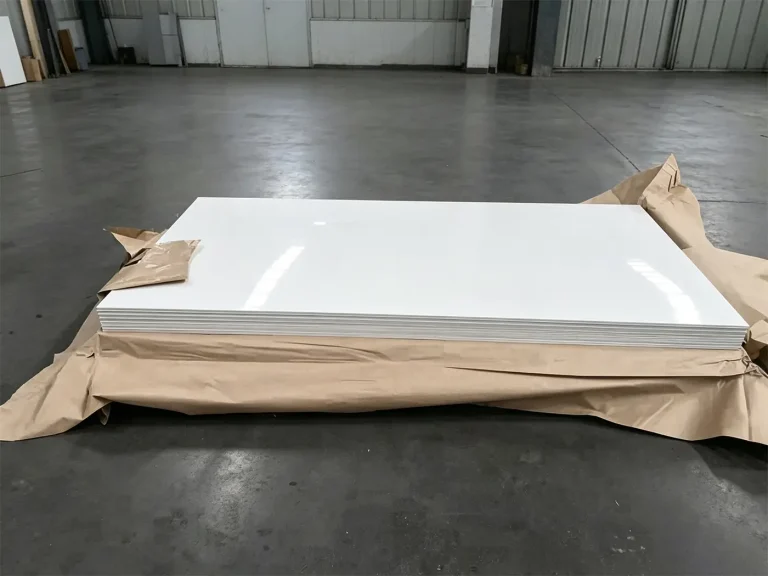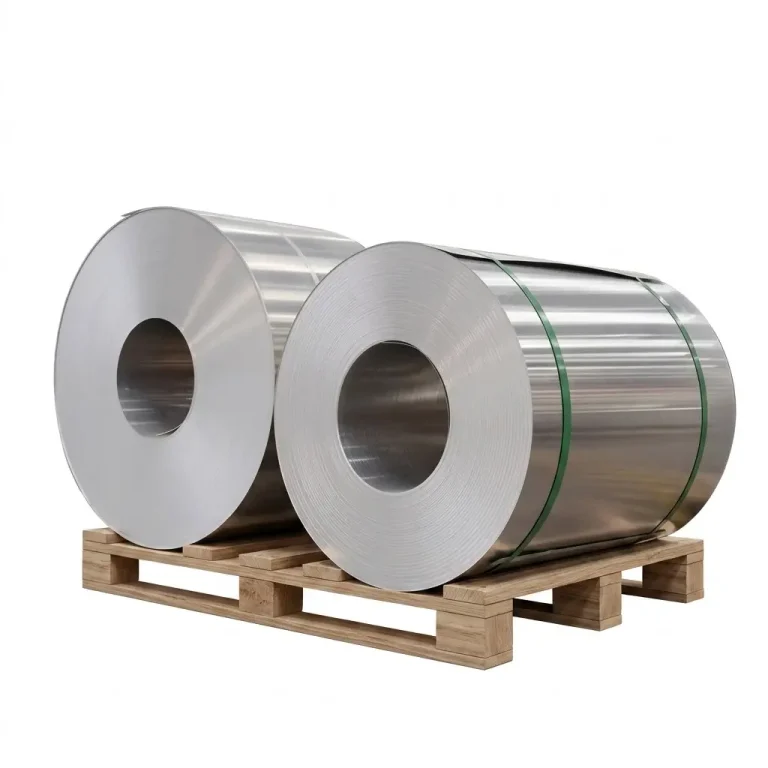
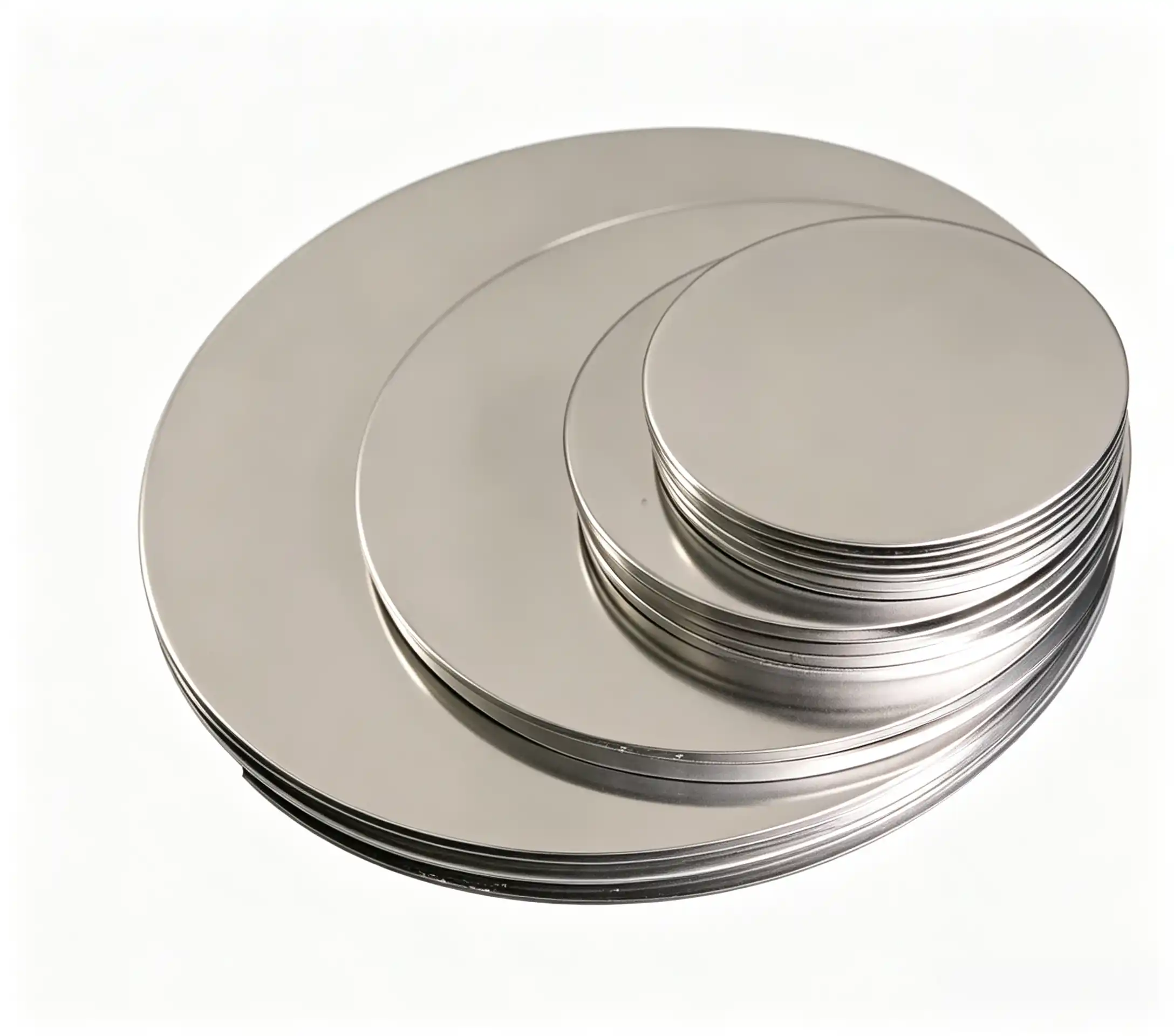
What is 1060 Aluminum Circle?
1060 aluminum circle is a high-purity aluminum round blank used for deep drawing, spinning, pressing and other forming processes. As a 1xxx series alloy, 1060 offers good ductility, corrosion resistance and thermal conductivity, making it suitable for cookware, lighting components, heat-transfer parts and general formed products.
The material is commonly supplied in O, H12 and H14 tempers to match different forming requirements. O temper is preferred for deeper drawing, while harder tempers provide greater rigidity for shallower forming or spinning.
Supplying 1060 in circle or disc form reduces material preparation before production. Shandong Union can provide custom diameter, thickness, temper and surface condition to match the finished part and forming process.
Its uses include pots, pans, lids, kettles, lamp housings, reflectors and industrial round components.
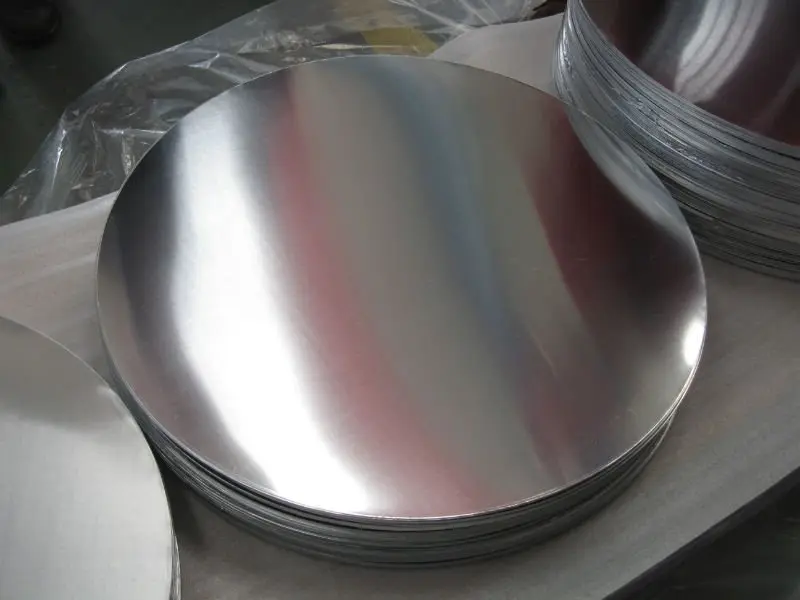
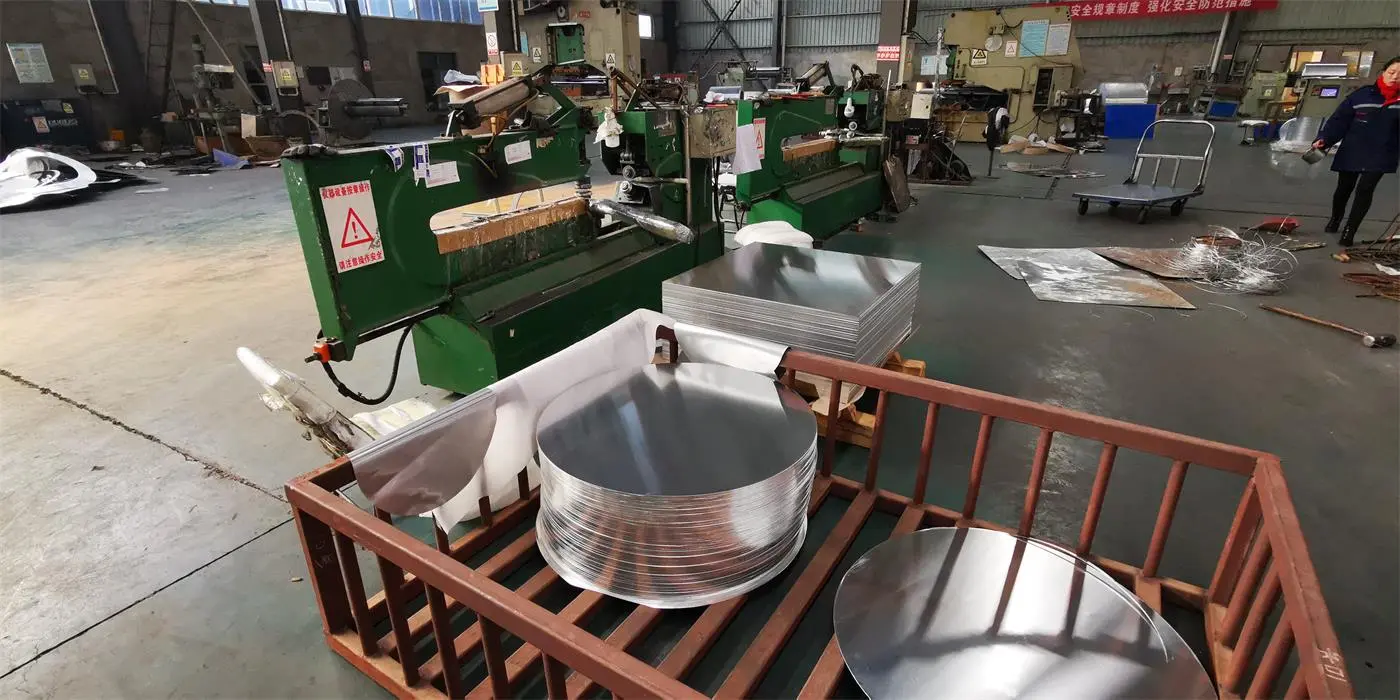
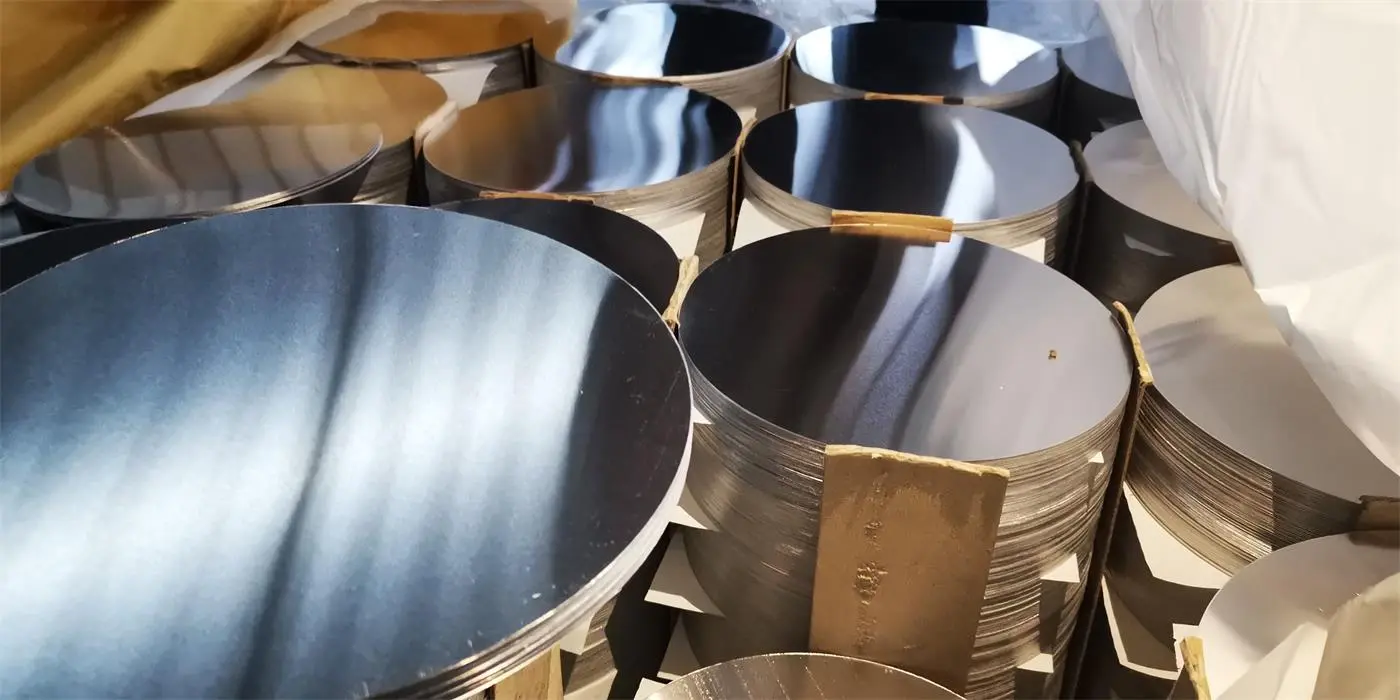
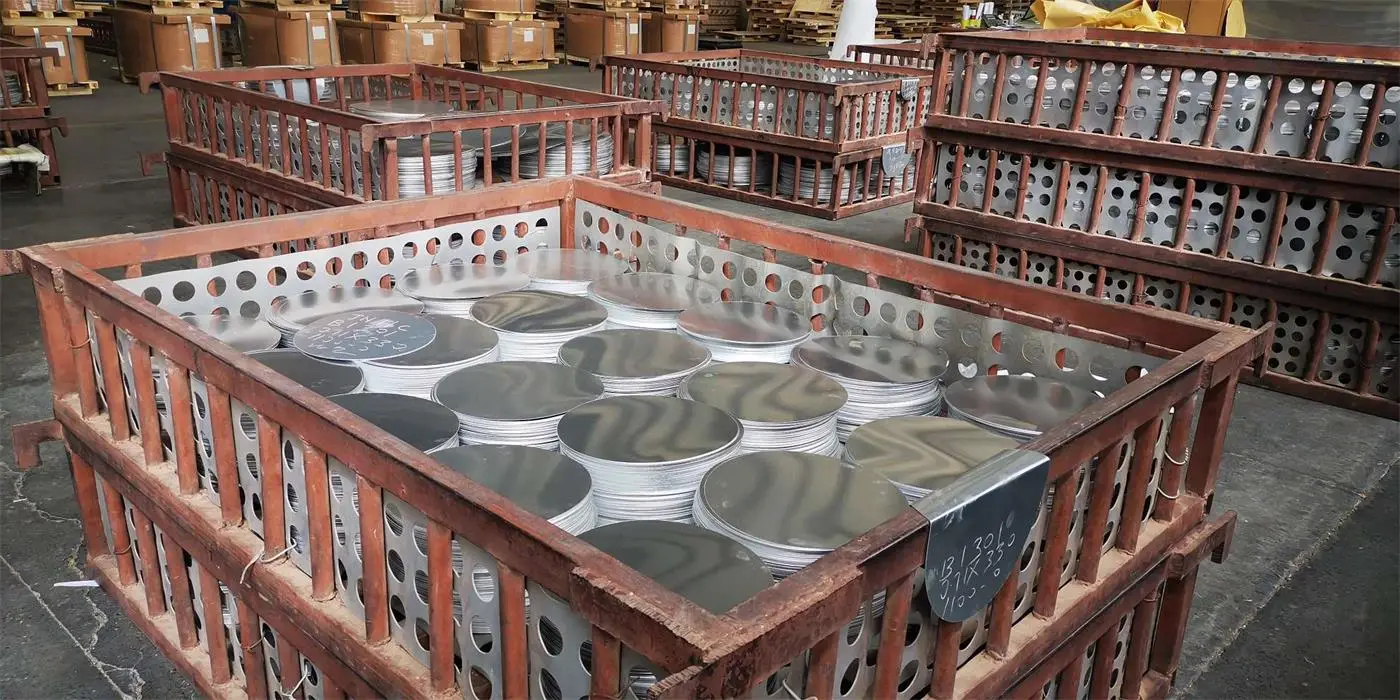
Specifications
Shandong Union supplies 1060 aluminum circles and discs for deep drawing, spinning, pressing and general forming. Diameter, thickness and temper can be specified according to the finished part, forming depth and production process.
| Item | Supply Information |
| Alloy | 1060 |
| Alternative Designations | AA1060 / A1060 / Al 99.6 |
| Product Form | Aluminum Circle / Aluminum Disc / Round Blank |
| Temper | O / H12 / H14 / H16 / H18 / H22 / H24 |
| Thickness | 0.5-3.5 mm |
| Diameter | 50-1360 mm |
| Surface Options | Mill finish, non-stick surface |
| Edge Condition | Smooth, clean and free from harmful burrs |
| Processing Route | CC or DC material; blanked, punched or cut to size |
| Standards | ASTM B209 / EN 485 / GB/T 3880 / JIS H4000 |
| Packaging | Standard seaworthy export packing – the height of the pallet is 90mm, suitable for unloading with forklift. For 1 x 20FCL can load 27 Tons. |
| Custom Supply | Non-standard diameter, thickness, temper and packing available |
For quotation, please provide the required temper, thickness, diameter, quantity and end-use or forming method. We can review the specification against the required deep-drawing or spinning process.
Diameter Range
UnionAlu supplies 1060 aluminum circles from Ø50 mm to Ø1360 mm, with diameter options available in 5 mm increments across the specified range. This provides flexible blank sizing for cookware, deep drawing, spinning, lighting and other formed components. Customers can select a diameter close to the required blank size to match tooling and forming requirements.
| Ø50 mm | Ø55 mm | Ø60 mm | Ø65 mm | Ø70 mm | Ø75 mm |
| Ø80 mm | Ø85 mm | Ø90 mm | Ø95 mm | Ø100 mm | Ø105 mm |
| Ø110 mm | Ø115 mm | Ø120 mm | Ø125 mm | Ø130 mm | Ø135 mm |
| Ø140 mm | Ø145 mm | Ø150 mm | Ø155 mm | Ø160 mm | Ø165 mm |
| Ø170 mm | Ø175 mm | Ø180 mm | Ø185 mm | Ø190 mm | Ø195 mm |
| Ø200 mm | Ø205 mm | Ø210 mm | Ø215 mm | Ø220 mm | Ø225 mm |
| Ø230 mm | Ø235 mm | Ø240 mm | Ø245 mm | Ø250 mm | Ø255 mm |
| Ø260 mm | Ø265 mm | Ø270 mm | Ø275 mm | Ø280 mm | Ø285 mm |
| Ø290 mm | Ø295 mm | Ø300 mm | Ø305 mm | Ø310 mm | Ø315 mm |
| Ø320 mm | Ø325 mm | Ø330 mm | Ø335 mm | Ø340 mm | Ø345 mm |
| Ø350 mm | Ø355 mm | Ø360 mm | Ø365 mm | Ø370 mm | Ø375 mm |
| Ø380 mm | Ø385 mm | Ø390 mm | Ø395 mm | Ø400 mm | Ø405 mm |
| Ø410 mm | Ø415 mm | Ø420 mm | Ø425 mm | Ø430 mm | Ø435 mm |
| Ø440 mm | Ø445 mm | Ø450 mm | Ø455 mm | Ø460 mm | Ø465 mm |
| Ø470 mm | Ø475 mm | Ø480 mm | Ø485 mm | Ø490 mm | Ø495 mm |
| Ø500 mm | Ø505 mm | Ø510 mm | Ø515 mm | Ø520 mm | Ø525 mm |
| Ø530 mm | Ø535 mm | Ø540 mm | Ø545 mm | Ø550 mm | Ø555 mm |
| Ø560 mm | Ø565 mm | Ø570 mm | Ø575 mm | Ø580 mm | Ø585 mm |
| Ø590 mm | Ø595 mm | Ø600 mm | Ø605 mm | Ø610 mm | Ø615 mm |
| Ø620 mm | Ø625 mm | Ø630 mm | Ø635 mm | Ø640 mm | Ø645 mm |
| Ø650 mm | Ø655 mm | Ø660 mm | Ø665 mm | Ø670 mm | Ø675 mm |
| Ø680 mm | Ø685 mm | Ø690 mm | Ø695 mm | Ø700 mm | Ø705 mm |
| Ø710 mm | Ø715 mm | Ø720 mm | Ø725 mm | Ø730 mm | Ø735 mm |
| Ø740 mm | Ø745 mm | Ø750 mm | Ø755 mm | Ø760 mm | Ø765 mm |
| Ø770 mm | Ø775 mm | Ø780 mm | Ø785 mm | Ø790 mm | Ø795 mm |
| Ø800 mm | Ø805 mm | Ø810 mm | Ø815 mm | Ø820 mm | Ø825 mm |
| Ø830 mm | Ø835 mm | Ø840 mm | Ø845 mm | Ø850 mm | Ø855 mm |
| Ø860 mm | Ø865 mm | Ø870 mm | Ø875 mm | Ø880 mm | Ø885 mm |
| Ø890 mm | Ø895 mm | Ø900 mm | Ø905 mm | Ø910 mm | Ø915 mm |
| Ø920 mm | Ø925 mm | Ø930 mm | Ø935 mm | Ø940 mm | Ø945 mm |
| Ø950 mm | Ø955 mm | Ø960 mm | Ø965 mm | Ø970 mm | Ø975 mm |
| Ø980 mm | Ø985 mm | Ø990 mm | Ø995 mm | Ø1000 mm | Ø1005 mm |
| Ø1010 mm | Ø1015 mm | Ø1020 mm | Ø1025 mm | Ø1030 mm | Ø1035 mm |
| Ø1040 mm | Ø1045 mm | Ø1050 mm | Ø1055 mm | Ø1060 mm | Ø1065 mm |
| Ø1070 mm | Ø1075 mm | Ø1080 mm | Ø1085 mm | Ø1090 mm | Ø1095 mm |
| Ø1100 mm | Ø1105 mm | Ø1110 mm | Ø1115 mm | Ø1120 mm | Ø1125 mm |
| Ø1130 mm | Ø1135 mm | Ø1140 mm | Ø1145 mm | Ø1150 mm | Ø1155 mm |
| Ø1160 mm | Ø1165 mm | Ø1170 mm | Ø1175 mm | Ø1180 mm | Ø1185 mm |
| Ø1190 mm | Ø1195 mm | Ø1200 mm | Ø1205 mm | Ø1210 mm | Ø1215 mm |
| Ø1220 mm | Ø1225 mm | Ø1230 mm | Ø1235 mm | Ø1240 mm | Ø1245 mm |
| Ø1250 mm | Ø1255 mm | Ø1260 mm | Ø1265 mm | Ø1270 mm | Ø1275 mm |
| Ø1280 mm | Ø1285 mm | Ø1290 mm | Ø1295 mm | Ø1300 mm | Ø1305 mm |
| Ø1310 mm | Ø1315 mm | Ø1320 mm | Ø1325 mm | Ø1330 mm | Ø1335 mm |
| Ø1340 mm | Ø1345 mm | Ø1350 mm | Ø1355 mm | Ø1360 mm | — |
Diameter Range: Ø50–1360 mm
Size Interval: 5 mm
Custom Selection: Diameter can be matched to the required blank and forming process.
Chemistry Composition
1060 aluminum contains at least 99.60% aluminum, with only small amounts of silicon, iron, copper and other elements. Its high aluminum content supports good ductility, corrosion resistance and thermal conductivity for deep drawing, spinning and cookware production.
| Element | Symbol | Content (%) |
| Aluminum | Al | ≥ 99.60 |
| Silicon | Si | ≤ 0.25 |
| Iron | Fe | ≤ 0.35 |
| Copper | Cu | ≤ 0.05 |
| Manganese | Mn | ≤ 0.03 |
| Magnesium | Mg | ≤ 0.03 |
| Zinc | Zn | ≤ 0.05 |
| Titanium | Ti | ≤ 0.03 |
| Vanadium | V | ≤ 0.05 |
| Others, Each | — | ≤ 0.03 |
Mechanical Properties
The mechanical properties of 1060 aluminum circles depend on temper and thickness. Softer tempers provide greater ductility for deep drawing, while harder tempers offer higher strength and better shape retention for spinning and formed components.
| Temper | Tensile Strength | Yield Strength* | Elongation* | Forming Performance |
| O | 60–95 MPa | ≥15 MPa | High | Best for deep drawing |
| H12 | 70–105 MPa | ≥55 MPa | Medium–High | Balanced forming and strength |
| H14 | 85–120 MPa | ≥70 MPa | Medium | Better rigidity and shape retention |
- 1060-O is commonly selected for deep-drawn cookware and parts requiring greater deformation. H12 suits general pressing and spinning where both formability and strength are required.
- H14 is better suited to shallower forming and components requiring higher rigidity.
Mechanical properties vary with thickness and the applicable material specification. Values should be confirmed against the required temper and order standard.
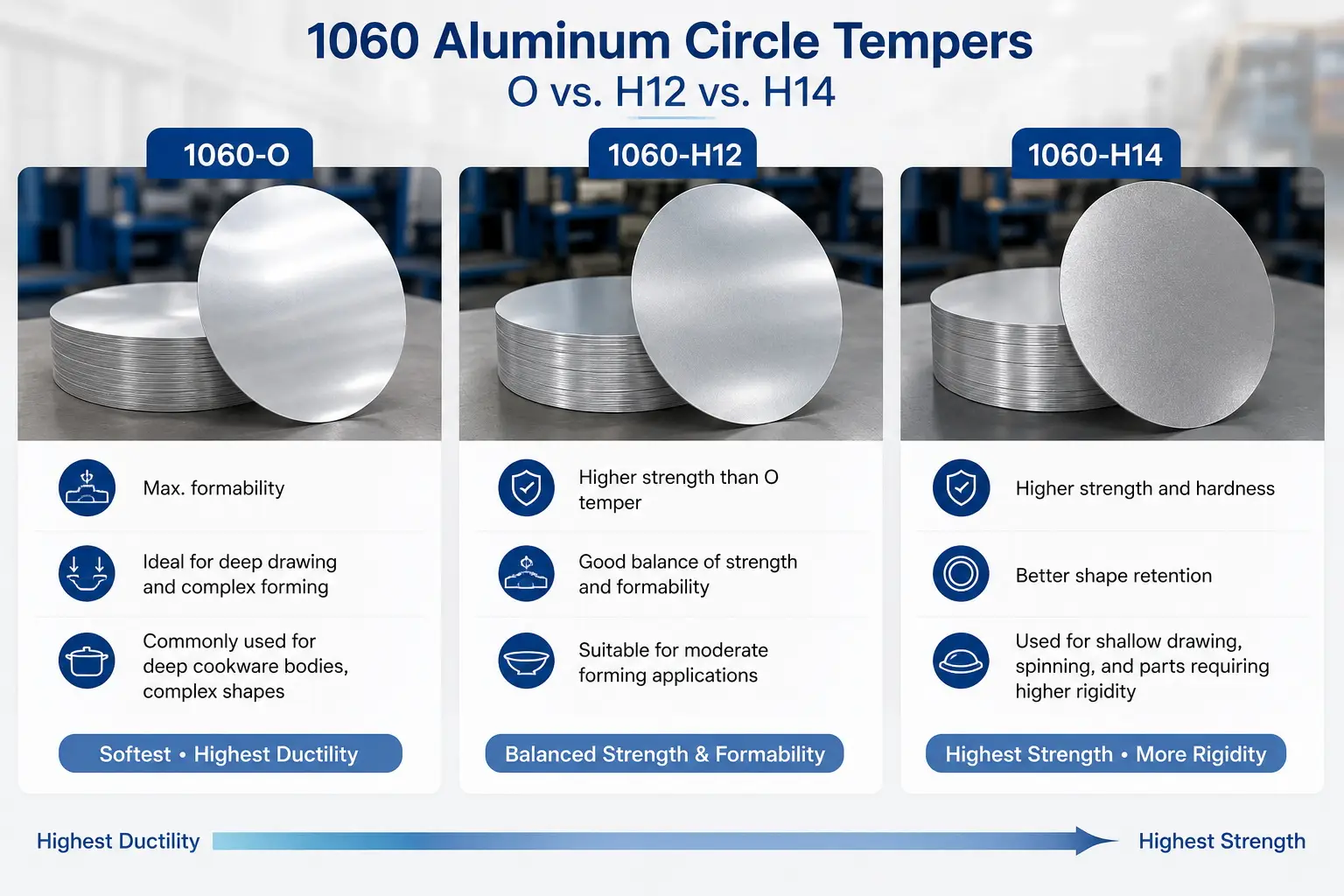
1060 Aluminum Circle Tempers: O vs. H12 vs. H14
Temper selection affects how a 1060 aluminum disc behaves during deep drawing, spinning and pressing. O temper provides the greatest ductility, while H12 and H14 offer progressively higher strength and shape retention. The suitable temper should be selected according to forming depth, part geometry and finished-part rigidity.
1060-O — For Deep Drawing
1060 O aluminum circle is the softest of the three tempers and provides the highest formability. It is preferred for deep-drawn cookware, deep containers and parts requiring substantial deformation with a lower risk of cracking during forming.
Processes: Deep drawing / Multi-stage drawing / Complex forming
1060-H12 — Balanced Formability and Strength
1060 H12 aluminum circle has a higher strength level than O temper while retaining good ductility. It is suitable for general pressing, spinning and moderately formed components where the finished part requires more rigidity without significantly limiting fabrication.
Processes: Spinning / Pressing / Moderate drawing
1060-H14 — Higher Rigidity
1060 H14 aluminum circle provides higher strength and hardness with less available deformation than O or H12. It is generally selected for shallow-drawn, spun or pressed parts where dimensional stability and shape retention are more important than deep forming.
Processes: Shallow drawing / Spinning / Pressing
Temper Selection: Choose 1060-O for deep drawing, H12 for a balance of forming performance and strength, and H14 for parts requiring higher rigidity with less severe deformation.
Contact Us
Select the Right Temper for Your Forming Process
Not sure whether your part requires 1060-O, H12 or H14? Send us your forming process, finished-part dimensions and material requirements. Shandong Union can review the required temper, thickness and circle diameter for your production.
Response within one business day
Why 1060 Aluminum for Deep Drawing & Spinning?
1060 aluminum round sheet is well suited to round blanks that undergo drawing, spinning and pressing. Its high aluminum content provides the ductility and forming response required for cookware and other formed components.
High Ductility
Supports substantial plastic deformation, particularly in deep drawing and multi-stage forming, with O temper preferred for more demanding draw depths.
Stable Forming
Suitable for drawing, spinning and pressing into round or contoured parts. The temper can be selected according to forming depth and required finished-part rigidity.
Good Thermal Conductivity
High aluminum content provides efficient heat transfer, making 1060 circles suitable for cookware, heating components and heat-transfer parts.
Clean Surface
A controlled mill-finish surface provides a suitable base for subsequent fabrication and finishing. Polishing, coating or anodizing can be specified where supported by the order requirements.
1060 vs. 1050 Aluminum Circle
1060 and 1050 are both high-purity aluminum grades widely used for deep drawing, spinning and pressed components. Their forming behavior and typical applications are similar, but 1060 has a slightly higher minimum aluminum content. For most projects, the final choice should be based on the required temper, forming process, finished-part properties and material specification.
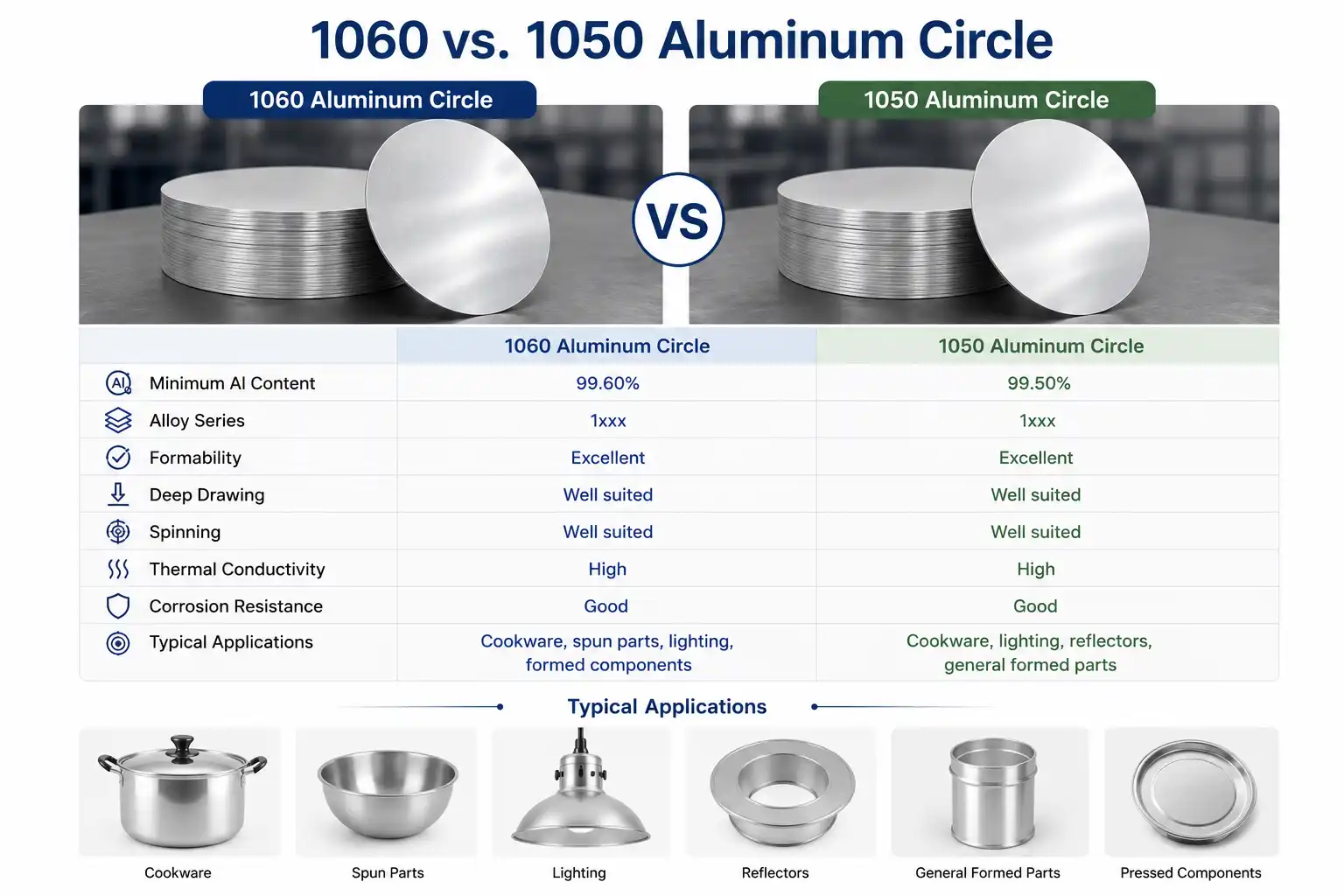
| Factor | 1060 Aluminum Circle | 1050 Aluminum Circle |
| Minimum Al Content | 99.60% | 99.50% |
| Alloy Series | 1xxx | 1xxx |
| Formability | Excellent | Excellent |
| Deep Drawing | Well suited | Well suited |
| Spinning | Well suited | Well suited |
| Thermal Conductivity | High | High |
| Corrosion Resistance | Good | Good |
| Typical Applications | Cookware, spun parts, lighting, formed components | Cookware, lighting, reflectors, general formed parts |
Which Should You Choose?
Choose 1060 aluminum circle when the specification calls for higher aluminum purity or when 1060 is already established for the customer’s drawing and forming process. 1050 aluminum circle is a practical alternative for many general deep-drawing and spinning applications.
For production orders, Shandong Union recommends confirming the alloy, temper, thickness, diameter, forming depth and applicable material standard rather than selecting between 1050 and 1060 based on purity alone.
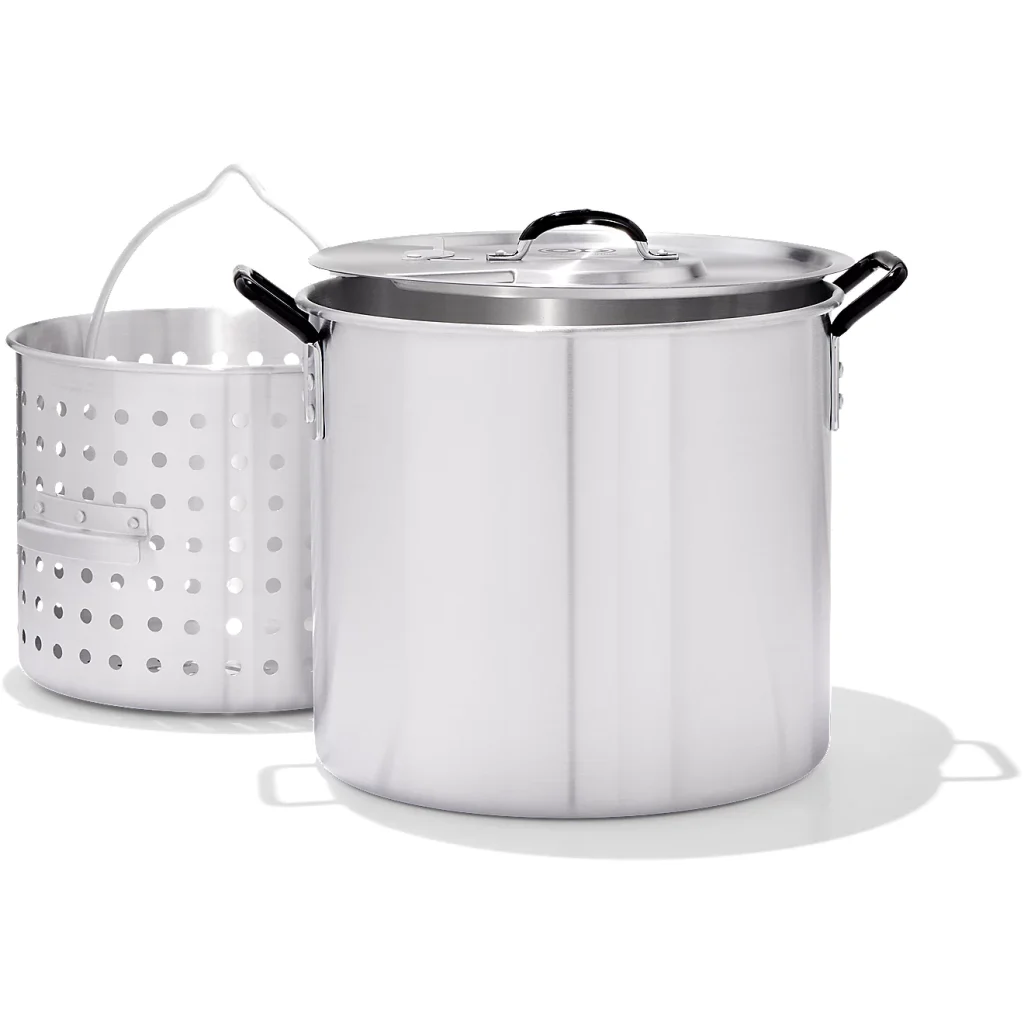
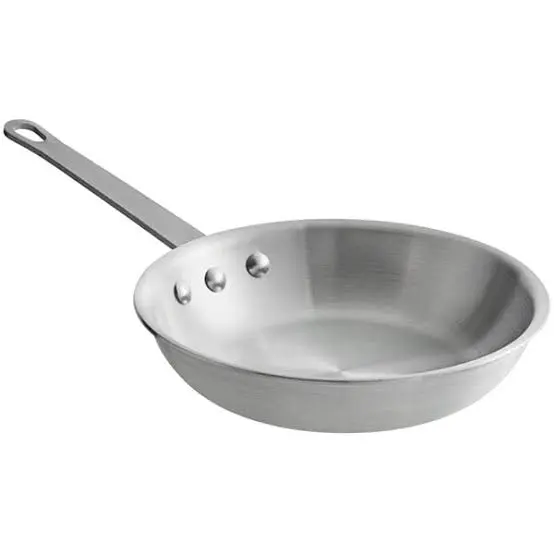
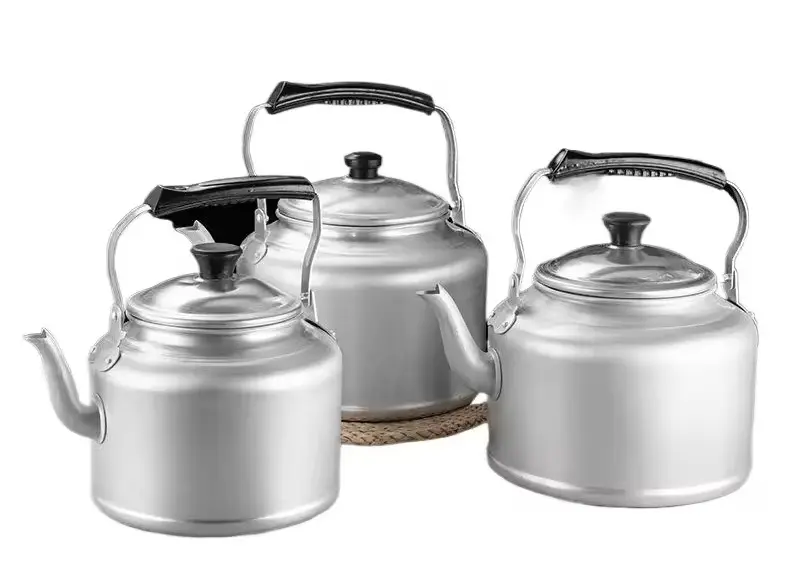
1060 Aluminum Circle for Cookware
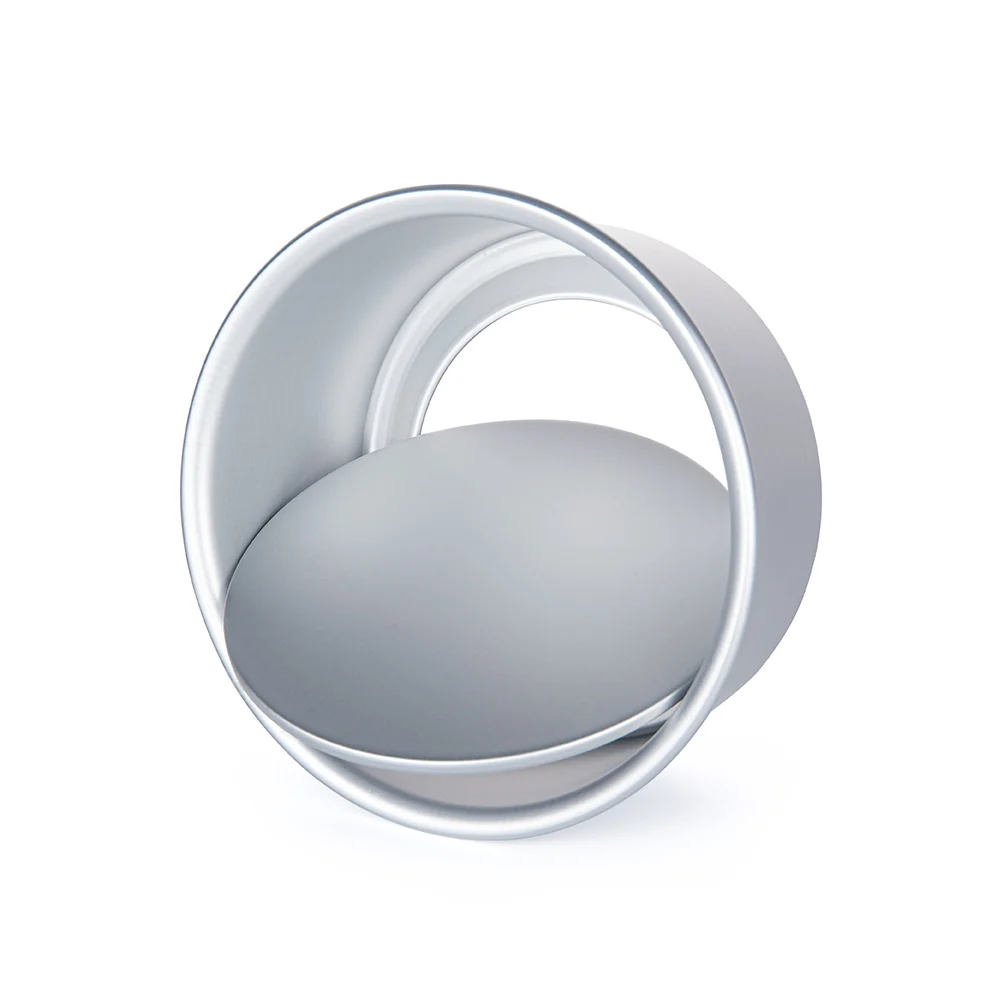
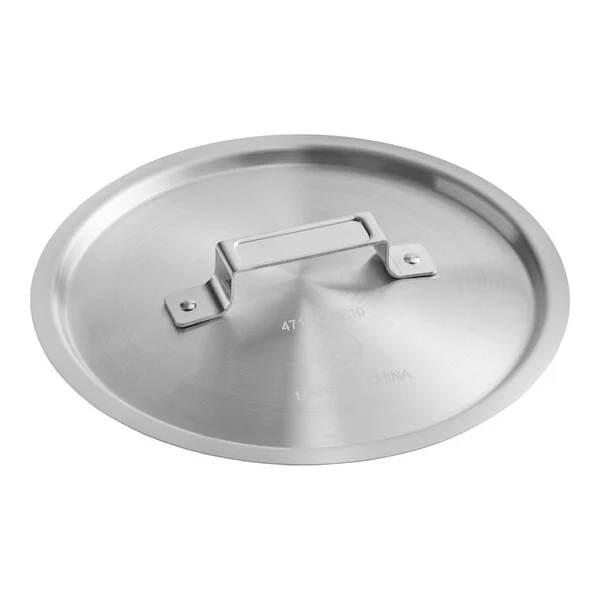
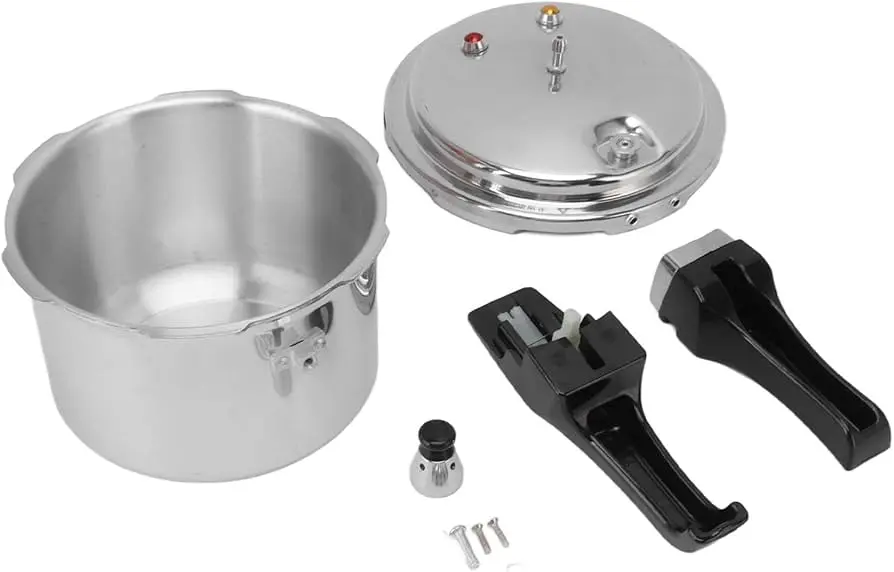
1060 aluminum circle is widely used as a starting blank for cookware manufacturing, particularly for parts produced by deep drawing, spinning and pressing. Its high ductility allows the round blank to form into deeper or curved profiles, while good thermal conductivity supports even heat transfer in finished cookware.
Suitable products include pots, pans, lids, kettles, cookware bottoms and pressure cooker components. O temper is commonly selected for deeper drawing, while H12 or H14 can be considered for parts requiring greater rigidity or less severe forming.
Shandong Union supplies cookware aluminum circles with custom temper, thickness and diameter to match the forming process and finished-part dimensions.
Applications
1060 aluminum circles are used where round blanks need to be drawn, spun, pressed or further fabricated. Temper and dimensions can be selected according to the forming depth, part geometry and final performance requirements.
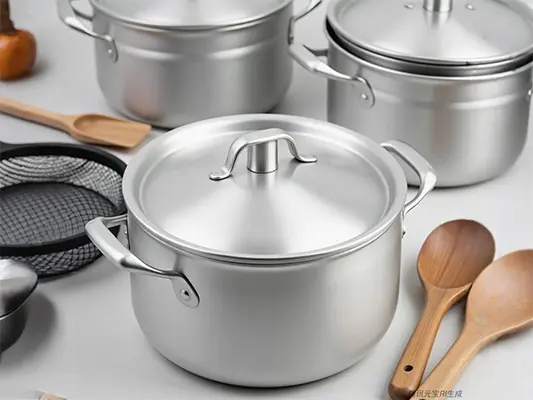
Cookware
Round blanks for pots, pans, lids, kettles, cookware bottoms and pressure cooker components, including parts requiring deep drawing or spinning.
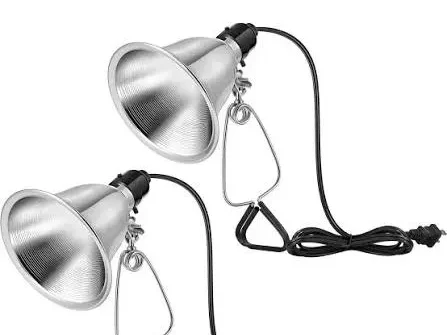
Lighting
Used for lamp reflectors, shades, housings and formed lighting components where good formability and a clean surface are required.
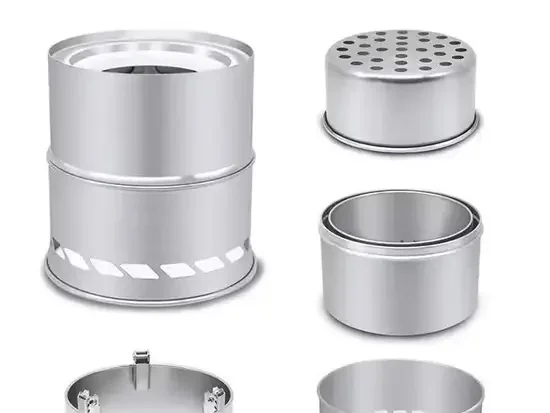
Deep-Drawn Parts
Suitable for industrial parts produced through single-stage or multi-stage drawing, particularly where substantial material deformation is required.
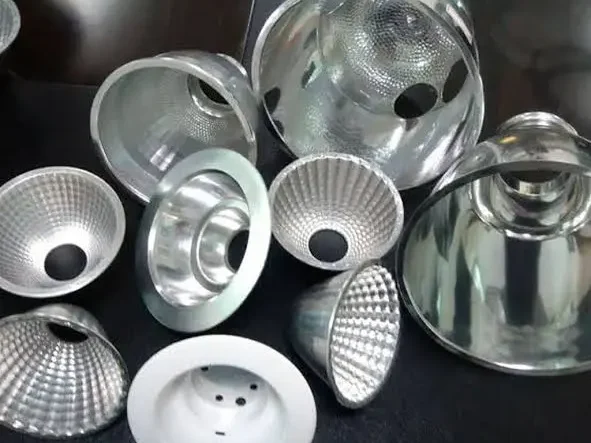
Spinning Parts
Used as blanks for round spun housings, covers, shells and other rotationally formed components.
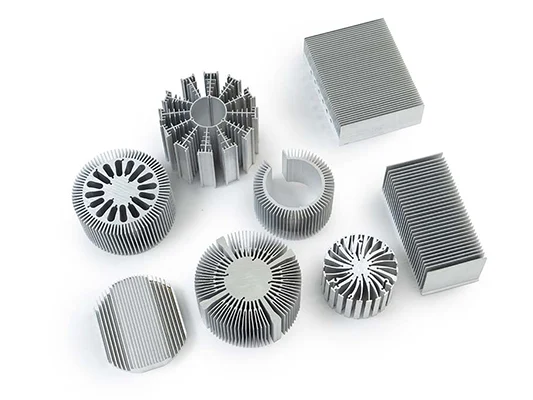
Electrical & Thermal Components
High aluminum content provides good electrical and thermal conductivity for heat-transfer parts, electrical components and related fabricated products.
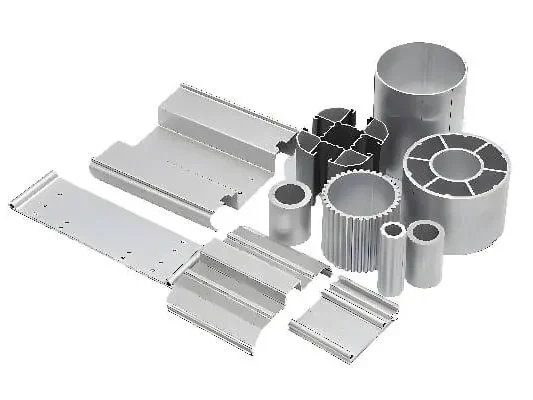
General Fabrication
Supplied as round blanks for pressing, forming, further cutting or machining in general industrial production.
1060 Aluminum Circle Supplier — UnionAlu
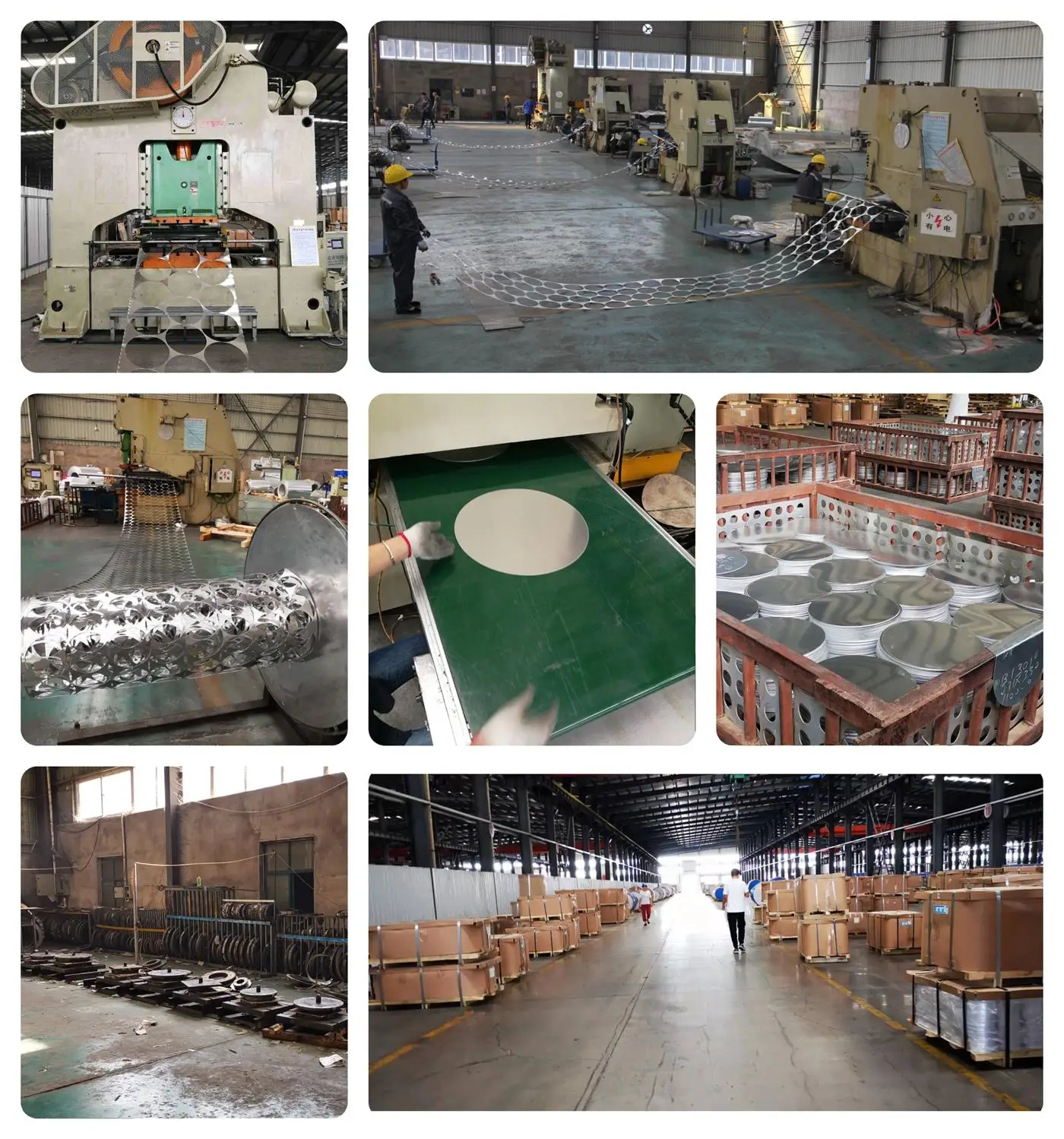
Shandong UnionAlu supplies 1060 aluminum circles for cookware, deep drawing, spinning and industrial forming, backed by 12 production lines, a 600,000 m² manufacturing base and an annual aluminum output of approximately 500,000 tons. Our quality management system covers material verification, dimensional inspection, surface control and final product release, supported by certifications including ISO 9001, ISO 14001, ISO 45001, IATF 16949 and AS9100D.
For different forming processes, we can supply aluminum circles to specified alloy, temper, thickness, diameter and surface requirements. Our team works with drawings and purchasing specifications to support material selection, custom sizing, production inspection, export packing and international shipment. With aluminum products supplied to customers in more than 60 countries, Shandong Union supports both regular purchasing programs and application-specific aluminum circle requirements.
Custom 1060 Aluminum Circle
Accurate quotation requires more than an alloy number. The 1060 Aluminum Circle supply process starts with the finished component, forming method and expected order volume. Share the following information so the material and manufacturing route can be checked against your production process.
1 · The Finished Part Defines the Blank
Provide the drawing, application, forming depth and required surface finish.
2 · The Material Condition Controls Forming
Specify 1060 alloy, temper, applicable standard and mechanical requirements.
3 · Dimensions Control Fit and Yield
State diameter, thickness, tolerance, edge condition and quantity per size.
4 · Finishing and Packing Complete the RFQ
Note drawing, spinning, polishing or coating, plus interleaving, labeling and destination.
Surface & Edge Quality
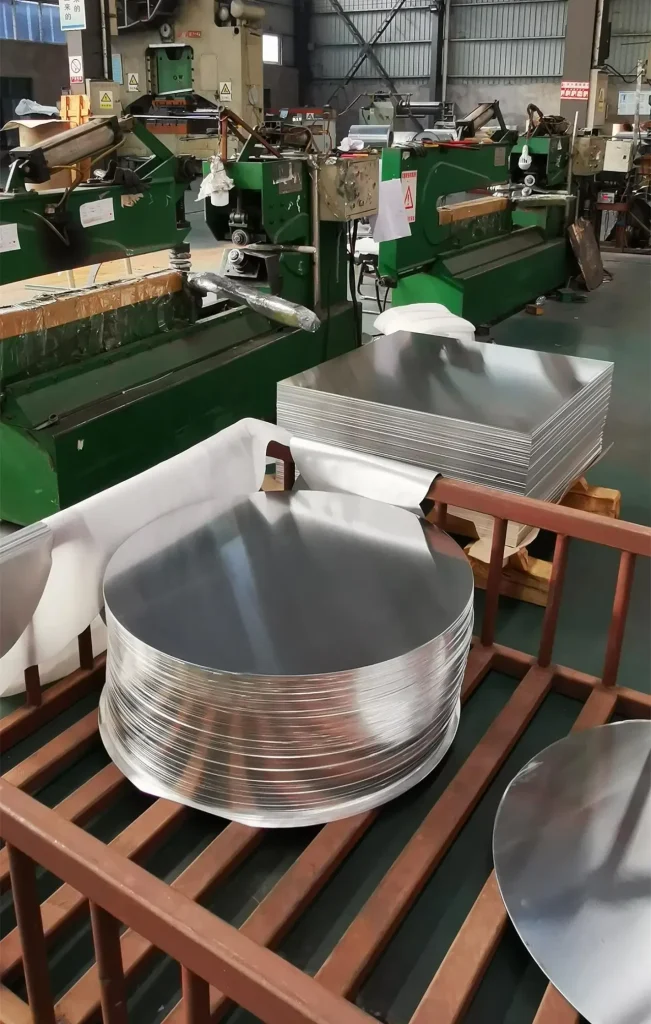
Surface and edge condition can directly affect forming results and the appearance of the finished part. Shandong Union controls the aluminum circle from blanking through final inspection, with attention to defects that may carry through into drawing, spinning or surface finishing.
- Surface Cleanliness: Surfaces are checked for oil contamination, stains and other visible residues that could affect downstream processing.
- Scratch Control: Visible scratches and handling marks are controlled to maintain a suitable surface for formed and finished components.
- Burr Control: Blanking edges are checked to limit excessive burrs that can interfere with forming, handling or subsequent processing.
- Roundness: Circle geometry is inspected to maintain consistent feeding and positioning during automated or manual forming.
- Diameter Tolerance: Finished diameter is checked against the ordered specification for consistent blank size across production batches.
- Flatness: Circles are inspected for unwanted distortion or warping before packing and shipment.
Quality Control for Aluminum Circles
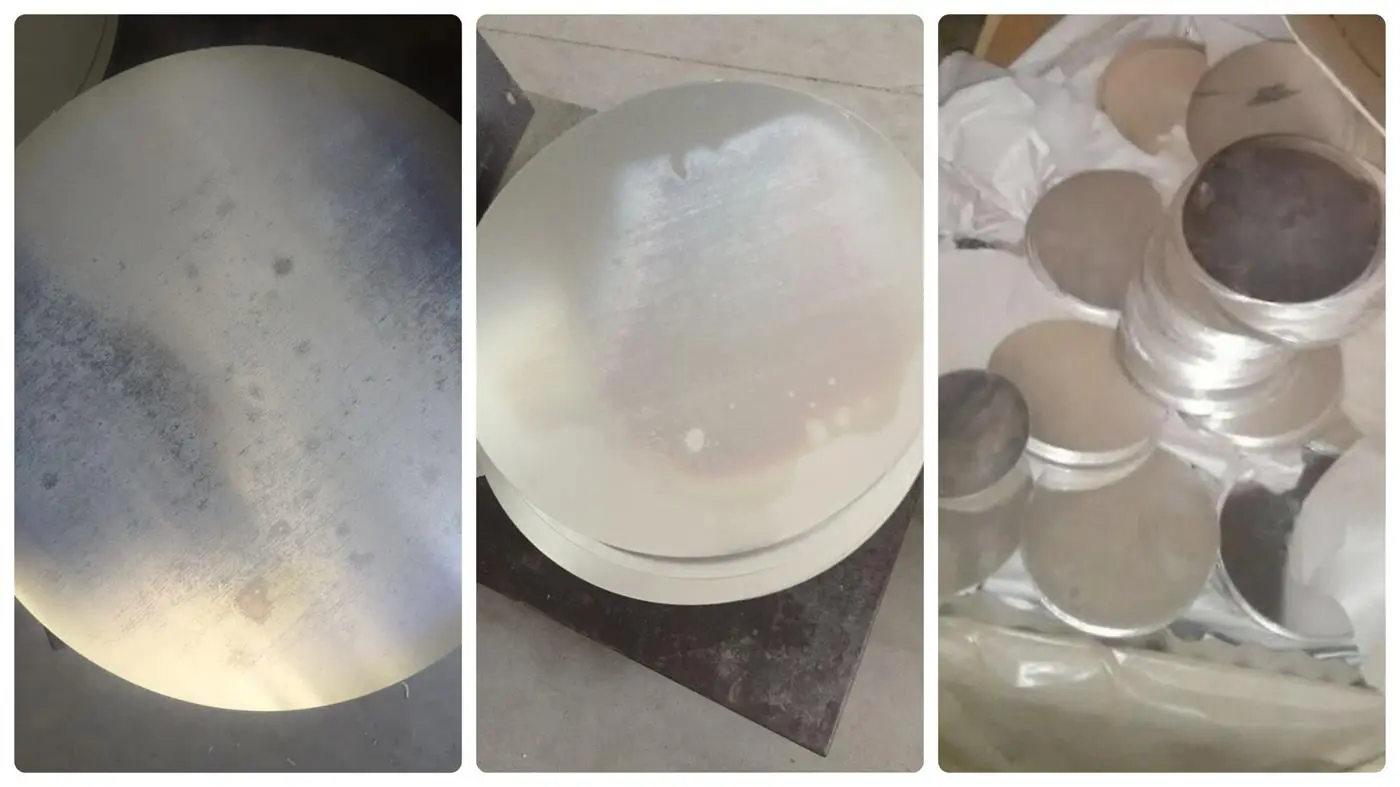
Shandong Union controls 1060 aluminum circles from material verification through dimensional and surface inspection, with particular attention to the consistency required for deep drawing, spinning and pressing. Each order is checked against the agreed material grade, temper, dimensions and surface requirements before release.
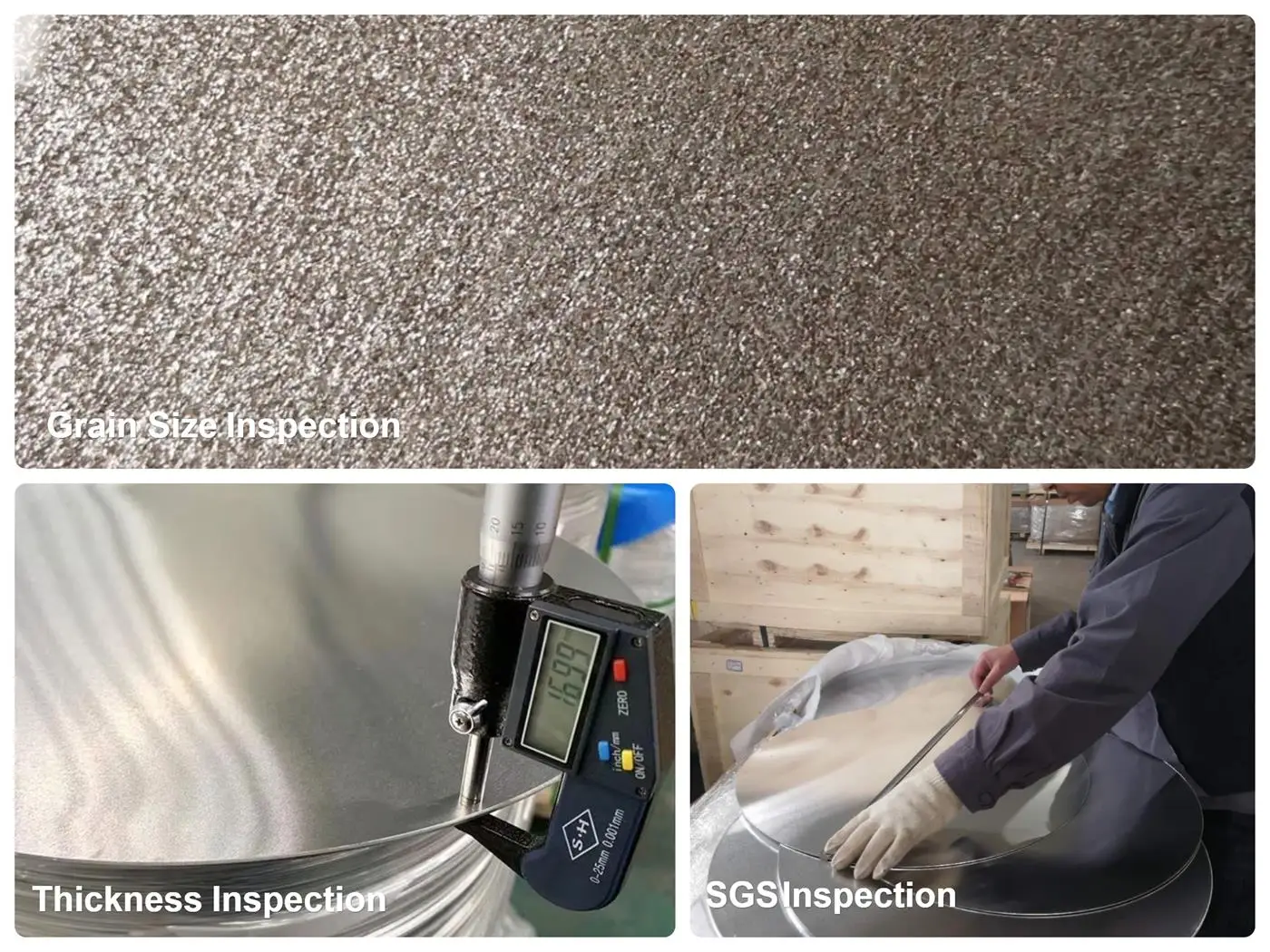
- Alloy Verification — Confirm 1060 grade and chemical composition against the specified material requirements.
- Temper Confirmation — Verify O, H12 or H14 temper according to the order and forming requirements.
- Grain Size Inspection — Check grain size and metallographic condition where required to support consistent forming performance and reduce the risk of an uneven surface after deep drawing.
- Thickness Inspection — Check material thickness and consistency across the production batch.
- Diameter Inspection — Measure circle diameter against the specified size and tolerance.
- Surface Inspection — Check for scratches, stains, dents and other defects that could affect forming or subsequent finishing.
- Edge Inspection — Inspect blanked edges for excessive burrs, cracks and irregularities.
Material documentation and batch identification can be supplied where specified with the order, supporting receiving inspection and material traceability.
Packaging & Delivery
1060 aluminum circles are packed to protect the surface, edges and round blank geometry during storage, handling and international transport.
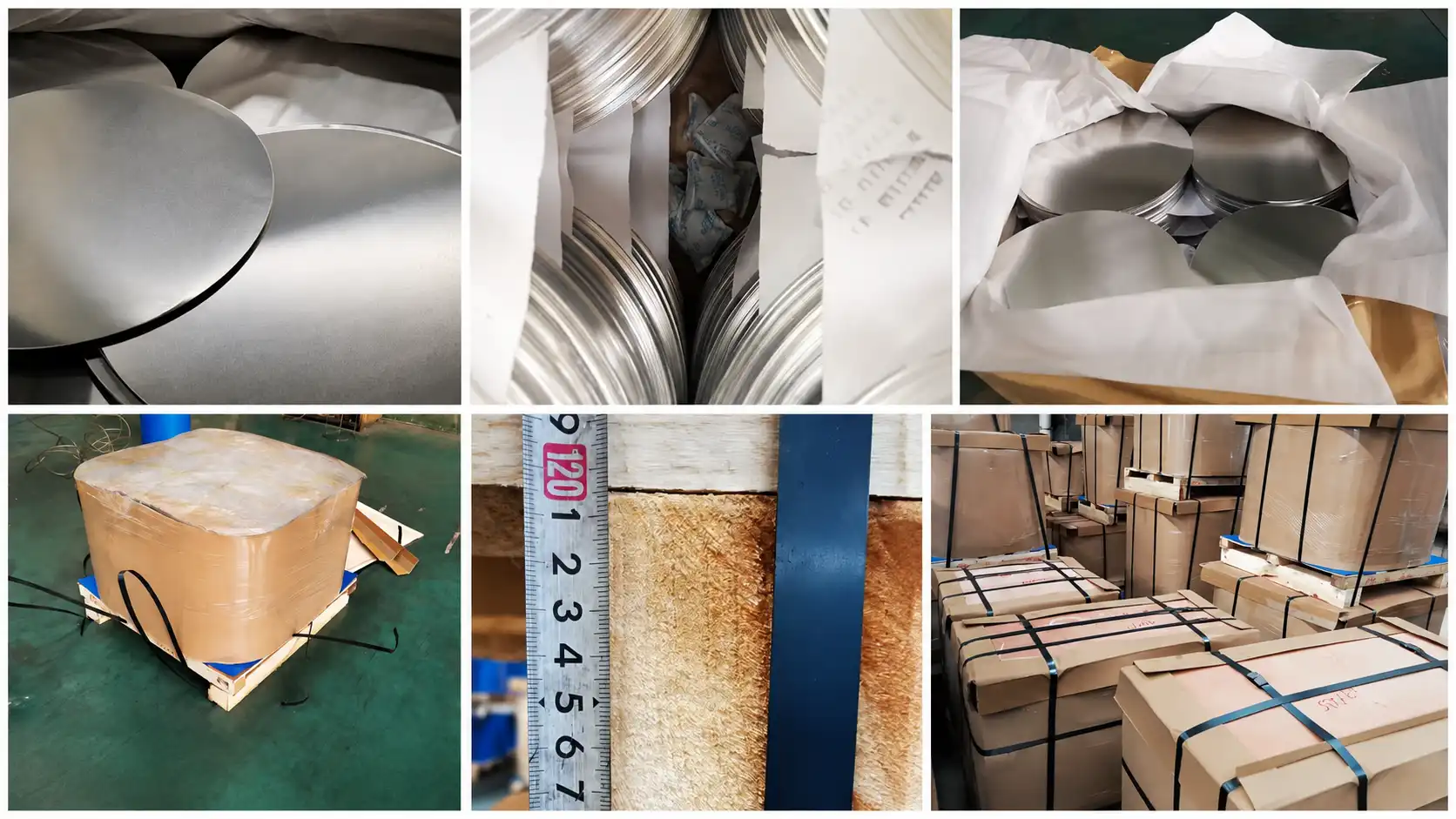
Surface Protection: Suitable interleaving or protective materials can be used to reduce scratching and surface contact between stacked circles.
Stacked Packing: Aluminum circles are stacked and secured to limit movement and help prevent edge damage during handling and transport.
Wooden Pallet / Case: Export orders can be secured on wooden pallets or packed in suitable cases according to circle dimensions, quantity and shipping requirements.
Clear Product Marking: Packages are marked with key order information such as alloy, temper, thickness, diameter and batch identification for receiving and material control.
FAQ
What is 1060 aluminum circle?
1060 aluminum circle is a high-purity aluminum round blank used for deep drawing, spinning, pressing and other forming processes. With a minimum aluminum content of 99.60%, it offers good ductility, thermal conductivity and corrosion resistance. Common tempers include O, H12 and H14, depending on the required forming depth and part rigidity.
What is 1060 aluminum circle used for?
1060 aluminum circles are commonly used to manufacture pots, pans, lids, kettles, cookware bottoms, lighting components, reflectors and industrial formed parts. The alloy is particularly suited to products made by deep drawing, spinning or pressing. Diameter, thickness and temper should be selected according to the finished part and forming process.
Is 1060 aluminum good for deep drawing?
Yes. 1060 aluminum is well suited to deep drawing because of its high ductility and good forming response. For parts requiring substantial deformation or multi-stage drawing, O temper is generally preferred. The required thickness, circle diameter, forming depth and tooling conditions should also be considered when specifying material for deep-drawn production.
What temper is best for aluminum cookware circles?
1060-O is generally preferred for deep-drawn cookware because it provides the highest ductility among the common tempers. H12 can be used where both forming performance and additional strength are required, while H14 is more suitable for shallower forming or parts requiring greater rigidity. Final temper selection depends on cookware geometry and manufacturing process.
What is the difference between 1060 and 1050 aluminum circle?
Both are high-purity 1xxx series aluminum grades with similar forming characteristics. 1060 contains at least 99.60% aluminum, while 1050 contains at least 99.50%. Both can be used for cookware, spinning and deep-drawn parts. Selection should be based on the specified alloy standard, temper, forming requirements and finished-part properties rather than purity alone.
Can 1060 aluminum circles be spun or pressed?
Yes. 1060 aluminum circles are suitable for spinning, pressing and drawing into round, curved and contoured components. O and H12 tempers are commonly considered where greater deformation is required, while H14 provides higher rigidity for less severe forming. The appropriate temper should be matched to the part geometry and forming method.
Can the diameter and thickness be customized?
Yes. Shandong Union can supply custom-diameter and custom-thickness 1060 aluminum circles according to the required component size and forming process. For quotation, provide the alloy temper, thickness, circle diameter, quantity and intended process such as deep drawing, spinning or pressing. Drawing or finished-part dimensions can also help confirm the required blank specification.
What surface quality is required for cookware aluminum circles?
Cookware aluminum circles should have a clean, uniform surface with controlled scratches, stains, dents and other visible defects that could remain after drawing or affect subsequent finishing. Edge quality is also important; excessive burrs, cracks and irregular edges should be controlled. Additional surface requirements should be specified when polishing, coating or other finishing follows forming.